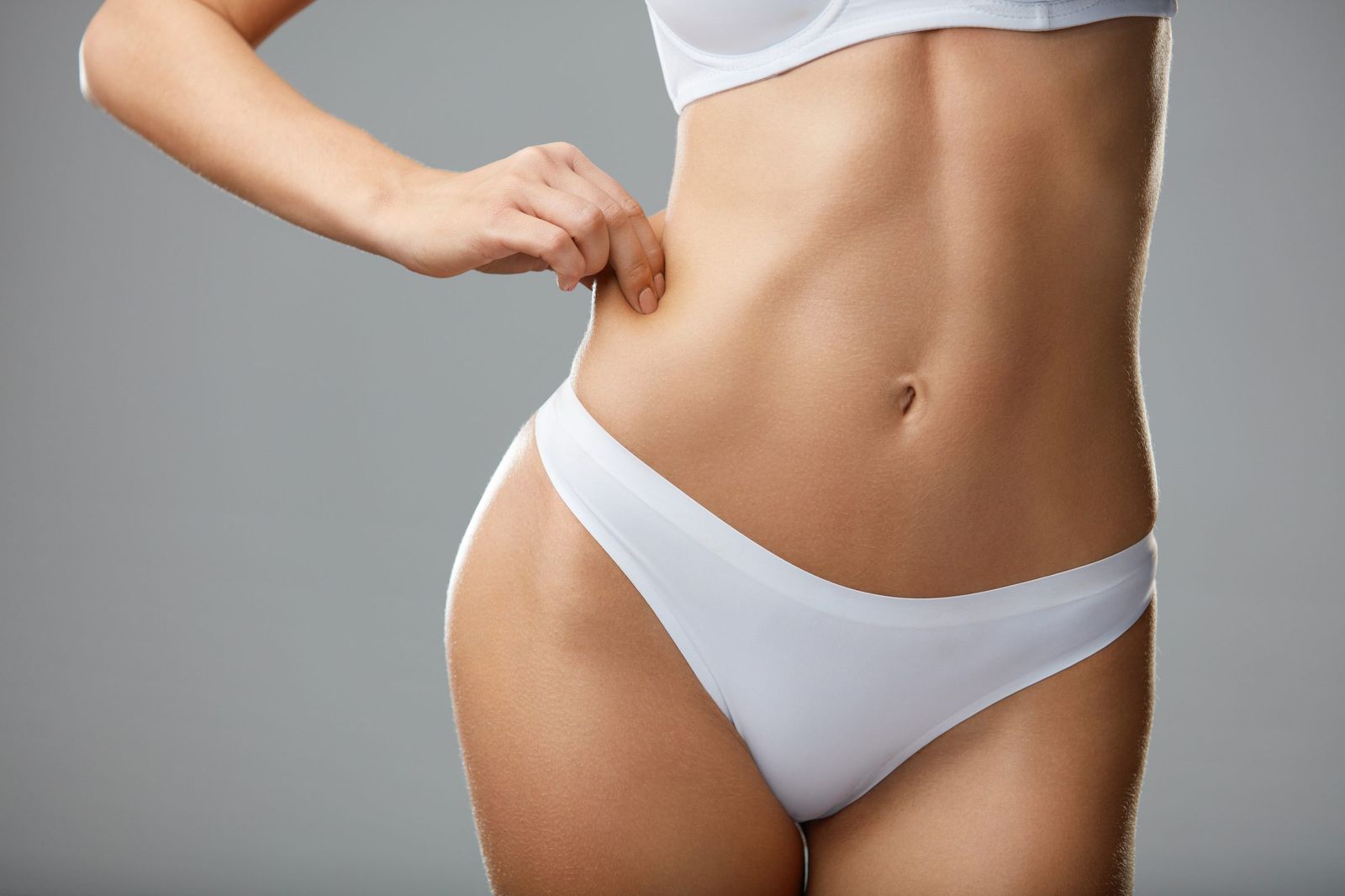
Body contouring after weight loss is the medically supervised process of removing the loose, excess skin and stubborn fat pockets that remain once you have reached a stable goal weight. At Nusbaum Medical Centers in Cedar Knolls, NJ, Michael Nusbaum, MD FACS · FASMBS, treats this final stage as the completion of your health journey — not a vanity project — addressing the hygiene, comfort, and confidence concerns that lingering skin creates so your body finally reflects the work you have done.
- On this page:
- Why Skin Doesn't Bounce Back
- Surgical vs. Non-Invasive
- Procedures for Your New Silhouette
- Recovery in Northern New Jersey
- FAQs
Why Skin Doesn't Bounce Back After Weight Loss
When you carry excess weight for years, your skin stretches to accommodate it. Inside that skin, two proteins — collagen and elastin — act like a spring, allowing it to expand and recoil. Prolonged stretching, aging, sun exposure, and rapid weight loss can permanently break down those fibers. Once they are damaged, the skin loses its ability to snap back, and no amount of hydration, exercise, or topical product can rebuild that structural framework.
This is why so many patients who lose 50, 100, or more pounds through medical weight loss or bariatric surgery are surprised by loose skin at the abdomen, arms, thighs, and chest. It is not a sign of failure — it is a predictable physiological consequence of a major transformation. The skin envelope that once held your former weight simply has nowhere to go.
Beyond appearance, redundant skin causes real medical problems: chronic rashes and yeast infections in skin folds, chafing, difficulty fitting clothing, and interference with exercise. Body contouring bridges the gap between the number on the scale and the silhouette you worked for.
Surgical vs. Non-Invasive Body Contouring: Which Is Right for You?
The single most important question is how much loose skin you actually have. This determines whether energy-based devices can refine your shape or whether excess tissue must be surgically removed.
Non-invasive and minimally invasive options
For patients with mild laxity and stubborn fat rather than large skin folds, technology can do a great deal without a scalpel or extended downtime:
- SmartLipo — laser-assisted liposuction that melts stubborn fat while its controlled heat stimulates modest skin tightening.
- EmSculpt Neo and StemWave — build muscle and improve tissue tone to sharpen definition.
- CoolSculpting — freezes and eliminates isolated fat pockets non-surgically.
- Aveli — targets the fibrous bands that cause cellulite dimpling.
When surgery is the right answer
When skin hangs in aprons or drapes over the waistband, only excisional surgery can remove it. According to the American Society of Plastic Surgeons, body-contouring surgery after major weight loss is specifically designed to remove excess skin and restore firmer, more normal contours that non-surgical devices cannot achieve.
Targeted Procedures for Your New Silhouette
"Body contouring" is an umbrella term for a suite of procedures, each matched to a specific area and concern:
- Tummy tuck (abdominoplasty) — removes excess lower-abdominal skin and fat and repairs diastasis recti, the muscle separation that no crunch can close.
- Panniculectomy — a functional operation that removes the pannus, the heavy apron of skin that hangs below the waist and causes rashes and infections. It is sometimes covered by insurance when medically necessary.
- Arm lift (brachioplasty) — tightens the loose "bat wing" skin of the upper arm.
- Thigh lift — removes hanging inner-thigh skin that causes chafing.
- Breast lift or chest contouring — restores position and shape after volume loss.
Many patients combine excisional surgery with liposuction to sculpt adjacent areas in a single, coordinated plan. Because Dr. Nusbaum directs a full weight-loss and surgical practice, your recommendation is built around your anatomy and health, not limited to whatever one device a clinic happens to own.
Planning Your Recovery in Northern New Jersey
Safe contouring starts long before surgery. The most important prerequisite is a stable weight — typically maintained for several months, and ideally 12 to 18 months after bariatric surgery or once you have reached maintenance on a medical program. Continued weight fluctuation after contouring can compromise your result.
A thorough medical work-up also matters. Patients after significant weight loss can have protein or vitamin deficiencies that impair healing, so nutritional optimization is part of the plan. Smoking cessation, blood-sugar control, and realistic expectations round out a safe candidacy assessment.
Recovery varies by procedure. Minimally invasive treatments like SmartLipo often allow a return to light activity within days, while excisional surgery such as a tummy tuck requires several weeks of restricted movement, compression garments, and drain care. Throughout it all, our team provides localized, physician-led oversight across our Northern New Jersey locations, including patients traveling from throughout Morris County. Explore our full range of body and wellness services to see how each stage fits together.