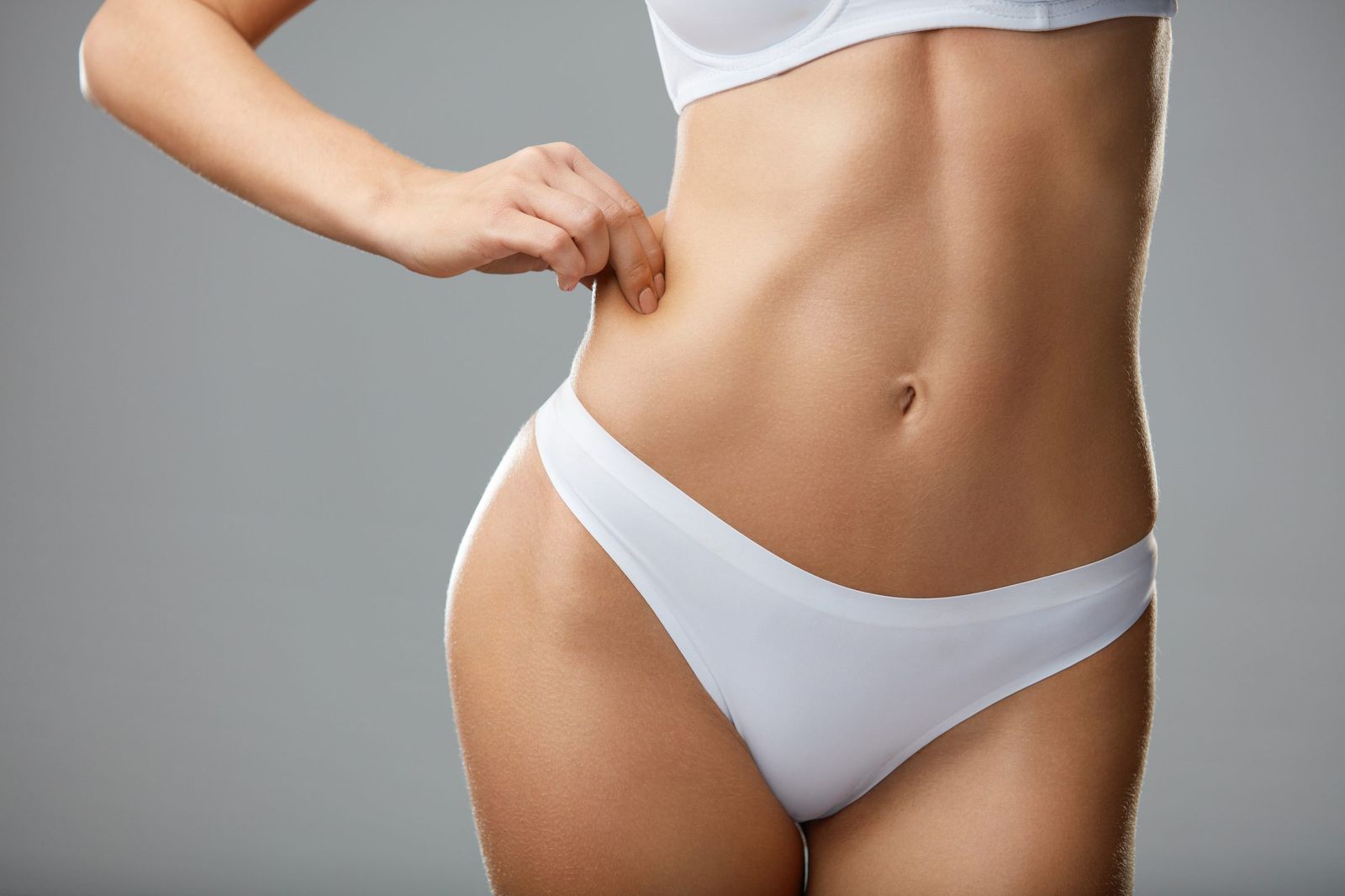
Losing a significant amount of weight changes more than the number on the scale. You may feel healthier, stronger, and more in control, yet still see loose skin, isolated fat deposits, or areas that no longer reflect the work you have put in. Body contouring after weight loss is designed to address those concerns with a physician-guided plan built around your anatomy, skin quality, health history, and goals.
For many patients, this is the final phase of a larger transformation. It is not about chasing perfection. It is about creating a smoother, more balanced shape that allows your results to show more clearly in and out of clothing.
Why Weight Loss Can Change Your Body Shape
Skin is designed to stretch, but it does not always retract fully after substantial weight loss. Age, genetics, how long the skin was stretched, sun exposure, smoking history, and the amount of weight lost all influence elasticity. Even patients who follow a disciplined nutrition and exercise routine can be left with skin laxity around the abdomen, arms, thighs, breasts, buttocks, neck, or lower back.
Weight loss can also reveal stubborn pockets of fat that do not respond predictably to exercise. This is common in the lower abdomen, flanks, inner thighs, upper arms, and under the chin. A contouring plan can address these areas, but it is not a substitute for continued weight management. The strongest candidates are close to a stable, sustainable weight and ready to protect their result through long-term habits.
When to Consider Body Contouring After Weight Loss
Timing matters. Moving forward too soon, while your weight is still changing quickly, can compromise the longevity of your outcome. In many cases, patients benefit from maintaining a stable weight for several months before surgery. Patients who have had bariatric surgery may need additional time for nutritional optimization and for their body to settle after rapid loss.
A consultation should also include a close review of medications, medical conditions, prior surgeries, smoking or nicotine use, and nutritional status. Protein intake, vitamin levels, and overall healing capacity matter, particularly after major weight loss. Physician oversight is not a formality. It is the foundation for selecting a treatment that is appropriate and safe.
Surgical Options for Loose Skin and Major Reshaping
When excess skin is substantial, surgery is often the only reliable way to remove it. Non-surgical technology can improve mild laxity and reduce small fat pockets, but it cannot duplicate the degree of correction possible with skin excision and surgical reshaping.
Tummy Tuck and Abdominal Contouring
An abdominoplasty, commonly called a tummy tuck, removes excess lower abdominal skin and can tighten weakened or separated abdominal muscles when indicated. It may be an excellent option for patients whose abdomen has changed after weight loss, pregnancy, or both. Depending on your needs, treatment may focus on the lower abdomen or extend around the waistline as part of a more comprehensive contouring approach.
Liposuction may be combined with a tummy tuck to refine the flanks and create a more proportional transition from the waist to the hips. The right approach depends on skin quality and the amount of tissue present. Removing fat without addressing significant loose skin can sometimes make laxity more noticeable.
Arm, Thigh, and Breast Reshaping
An arm lift can remove hanging skin from the upper arms, while a thigh lift can improve loose skin along the inner thighs or upper leg. These procedures are particularly valuable when skin folds cause discomfort, chafing, clothing challenges, or self-consciousness.
After weight loss, the breasts may lose volume and sit lower on the chest. A breast lift can reshape and elevate the breast tissue, while augmentation may be considered for patients who also want restored fullness. Men may seek chest contouring when skin laxity or remaining fatty tissue affects the shape of the chest.
Every incision is a trade-off. Surgical contouring creates the most meaningful improvement for excess skin, but it also involves scars, recovery time, and a period of activity restrictions. An experienced surgeon will explain where scars are placed, how they are expected to mature, and what realistic improvement looks like for your body.
SmartLipo and Liposuction for Stubborn Fat
For patients with good skin elasticity and localized fat that has remained despite weight loss, SmartLipo or traditional liposuction may be appropriate. These procedures are focused on contour, not weight reduction. They can help refine areas such as the abdomen, waist, back, arms, thighs, knees, or chin when the underlying concern is fat volume rather than significant hanging skin.
SmartLipo uses laser-assisted technology to disrupt fat cells before removal and may offer a degree of tissue tightening in properly selected patients. That does not mean it is a replacement for a tummy tuck or body lift when loose skin is extensive. The best treatment is determined by what is actually causing the concern, not by the newest technology or the shortest recovery period.
Non-Surgical Contouring for Smaller Corrections
Patients who are near their goal weight and want to target a modest fat bulge may be candidates for non-surgical body contouring. CoolSculpting is an FDA-cleared fat-freezing treatment that can reduce visible fat in selected areas without surgery or anesthesia. Treatment is typically performed over a series of visits, and results develop gradually as the body processes the treated fat cells.
Non-surgical options appeal to patients who cannot take extended time away from work or family responsibilities. The trade-off is that results are more subtle than surgery, and they do not remove excess skin. A physician-led evaluation helps prevent the common mistake of investing in a non-surgical treatment when a surgical option would better meet the patient’s goals.
Build a Plan Around Your Entire Transformation
The most successful body contouring plans do not treat one area in isolation. A patient who wants a flatter abdomen may also benefit from waist refinement. Someone focused on upper-arm laxity may have concerns about the chest, back, or bra-line area. Looking at the body as a whole creates a more natural-looking result and helps prioritize procedures based on recovery, budget, and lifestyle.
At Nusbaum Medical Centers, treatment planning can bring medical weight loss, advanced body contouring, and surgical expertise together under one physician-led approach. This is especially valuable for patients using GLP-1 medications such as Semaglutide or Tirzepatide, those recovering from bariatric procedures, or anyone who wants to preserve a hard-earned weight loss result while improving their body shape.
What Recovery and Results Really Require
Recovery varies significantly by treatment. A non-surgical fat-reduction procedure may allow an immediate return to most daily activities. Liposuction can involve bruising, swelling, compression garments, and several weeks before early contour changes are apparent. Larger procedures such as tummy tucks, arm lifts, or body lifts require more careful planning for time off, lifting restrictions, help at home, and follow-up care.
Swelling is part of healing, not a sign that treatment failed. Final results after surgery may continue to refine for months, while scars mature over a longer period. The goal is steady progress, not an overnight reveal. Following post-treatment instructions, maintaining hydration and protein intake, avoiding nicotine, and attending follow-up appointments all support a safer recovery.
Your result also depends on weight stability. Future weight changes, pregnancy, aging, and normal shifts in skin quality can affect the contour achieved. That is why body contouring works best as part of a maintained lifestyle, not as a finish line that ends your commitment to health.
A consultation is the right place to replace guesswork with a clear recommendation. Whether you need a surgical solution for loose skin, targeted treatment for stubborn fat, or a staged plan that respects your schedule and goals, the right next step is one that makes your transformation feel complete on your terms.