CoolSculpting eligibility comes down to a single principle: it is a body-contouring tool for pinchable, diet-resistant fat in patients who are already near a stable, healthy weight — not a treatment for obesity or a substitute for weight loss. At Nusbaum Medical Centers in Cedar Knolls, NJ, Michael Nusbaum, MD FACS · FASMBS, evaluates the thickness, location, and quality of fat and skin in person before recommending CoolSculpting or a better-fit alternative.
Who Is the Ideal CoolSculpting Candidate?
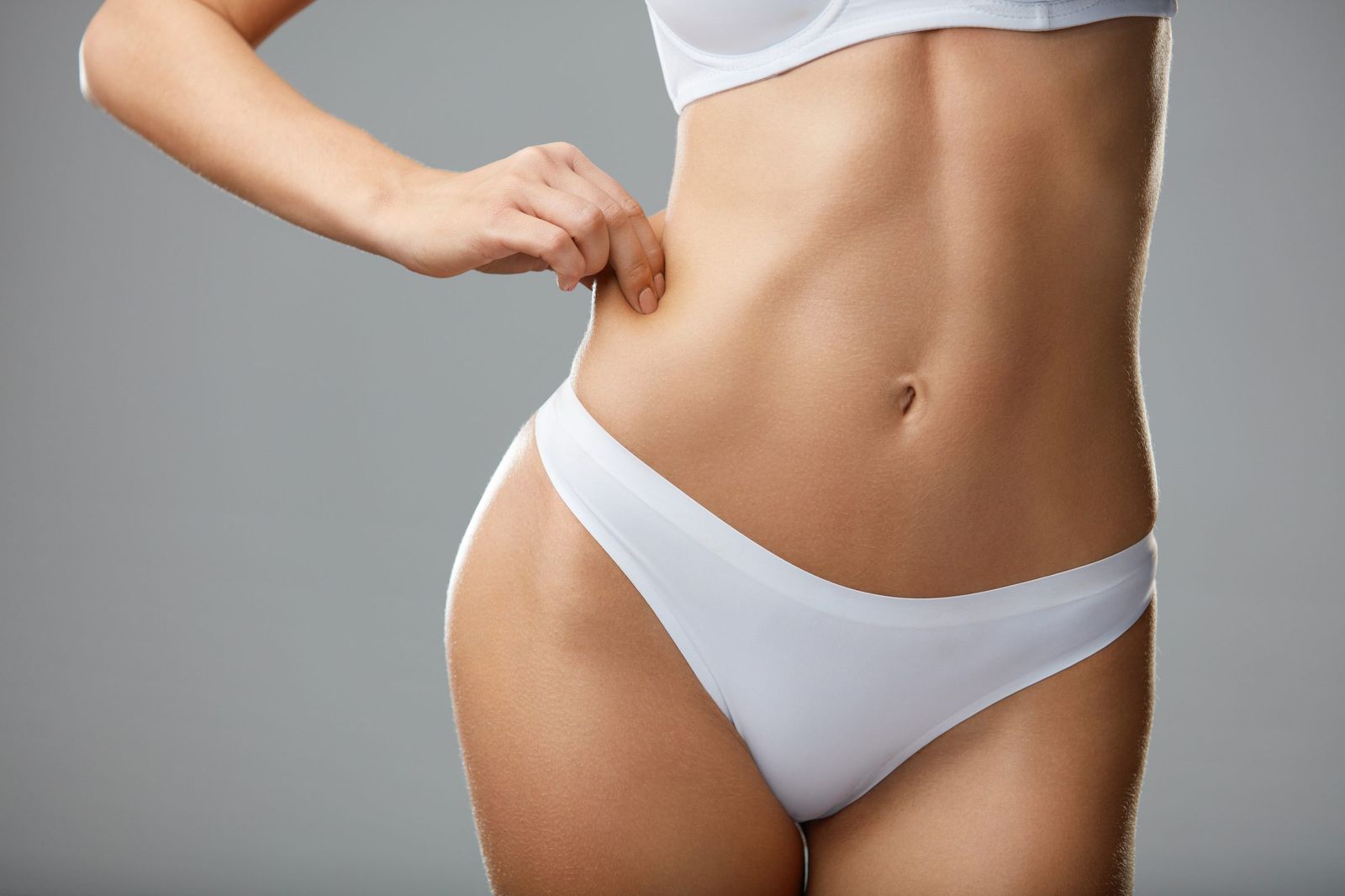
The strongest candidates for CoolSculpting are healthy adults who are close to a stable, sustainable weight and are simply frustrated by specific areas that will not respond to diet and exercise. CoolSculpting uses controlled cooling — a non-surgical process called cryolipolysis — to crystallize and reduce fat cells in a treated bulge. It works best on fat that can be comfortably grasped by an applicator.
During an in-person assessment, Dr. Nusbaum evaluates the fat pocket itself rather than a number on the scale. Genetics, hormonal shifts, pregnancy, aging, and prior weight fluctuations all influence where the body stores fat, which is why disciplined patients can still be bothered by a stubborn pouch.
You are likely a good candidate if you:
- Are within roughly 20–30 pounds of your goal weight and stable
- Have localized, pinchable fat rather than diffuse fullness
- Have good skin elasticity in the area of concern
- Are in good general health and not pregnant
- Hold realistic, contour-focused expectations
Where CoolSculpting Works Best
CoolSculpting is FDA-cleared for a defined set of body regions, and eligibility often depends on whether your concern maps to one of them. The most requested and predictable areas include the lower and upper abdomen, the flanks (love handles), the inner and outer thighs, the upper arms, the bra-line and back, and the submental area under the chin.
These are precisely the pockets that persist even for people who exercise consistently and eat well. For a full breakdown, see our guide to CoolSculpting treatment areas. When fat is deeper, firmer, or higher in volume, an in-office fat-reduction procedure such as SmartLipo may reach it more effectively than a surface applicator.
Why a Stable Weight Matters More Than a Number
CoolSculpting can be the finishing stage of a body transformation, but it should never be the first line of treatment for someone with meaningful weight to lose. If you have a significant amount of weight to address, a physician-supervised medical weight-loss program — including options like semaglutide or tirzepatide — will deliver a far more meaningful improvement in health and proportions first.
A stable weight also protects your result: future weight gain enlarges the fat cells that remain and can alter the contour you achieved. The American Society of Plastic Surgeons echoes this standard — nonsurgical fat reduction is designed for stubborn bulges, not overall weight reduction. Read more at the ASPS.
When Liposuction Is the Smarter Choice
Not every candidate for fat reduction is a candidate for CoolSculpting specifically. If you want a more dramatic reduction in a single session, have a larger volume of fat, or need some degree of skin retraction, liposuction or SmartLipo often produces a more complete result. CoolSculpting cannot repair separated abdominal muscles or remove substantial loose skin.
Because Dr. Nusbaum performs both surgical and non-surgical body contouring — and treats patients across Morris County and New Jersey — his recommendation is based on your anatomy and goals rather than a single device. That honesty is the real advantage of choosing an experienced surgeon for eligibility screening.