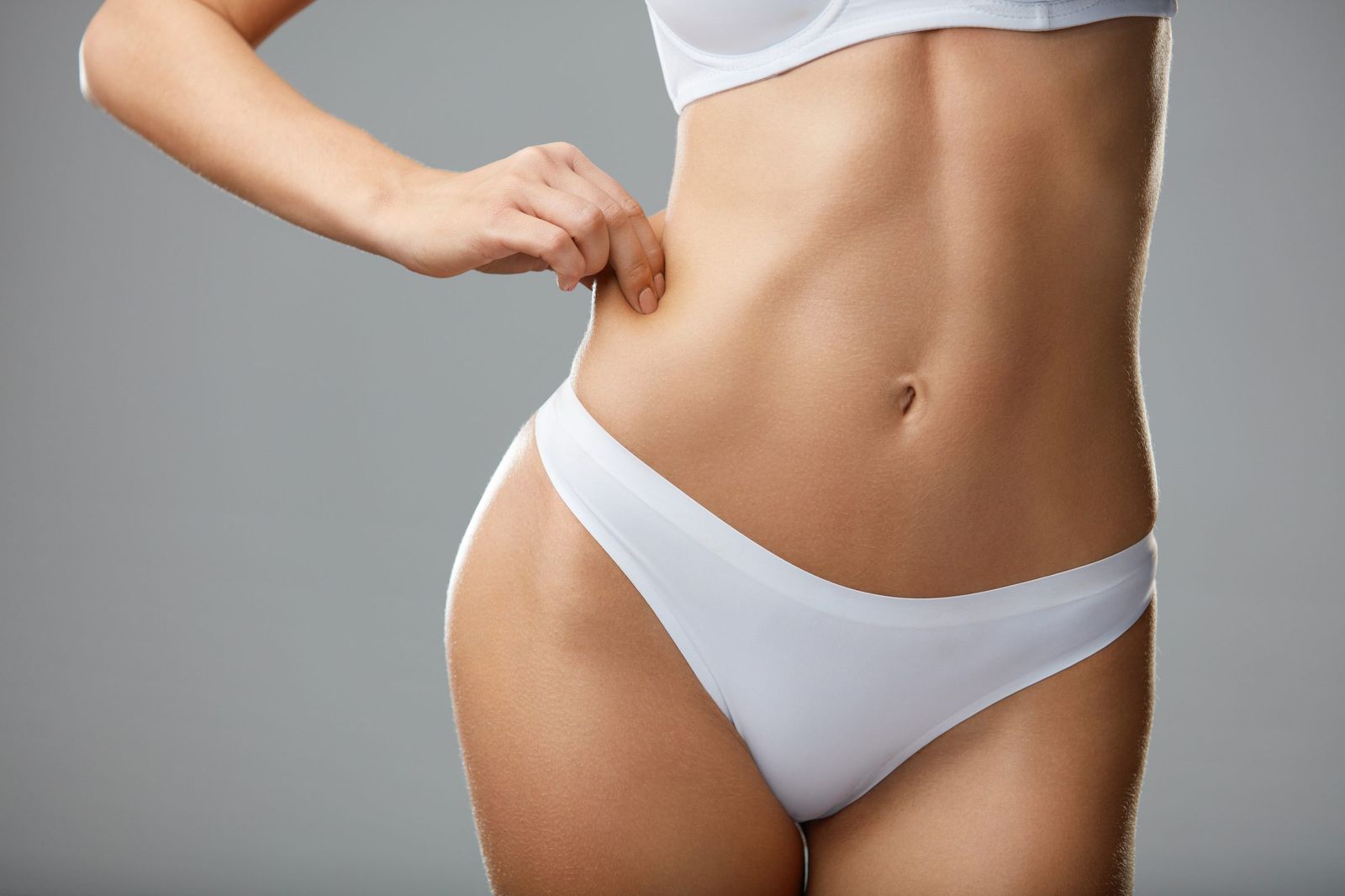
If you gain weight after CoolSculpting, the fat cells destroyed during treatment stay permanently gone, but the fat cells that remain — including those in untreated areas like the arms, back, and chin — can expand to store the surplus. At Nusbaum Medical Centers in Cedar Knolls, NJ, Michael Nusbaum, MD FACS · FASMBS, helps patients understand the difference between fat-cell count and fat-cell size so they can protect their results with confidence rather than anxiety.
- On this page:
- Are Results Permanent?
- What Happens to Your Shape
- Where New Fat Goes
- Protecting Your Results
- FAQs
Are CoolSculpting Results Truly Permanent?
Yes — with an important nuance. CoolSculpting uses cryolipolysis, a controlled cooling process that crystallizes and destroys fat cells in the targeted area. Over the following weeks your body clears those dead cells through the lymphatic system, and they do not come back. That is why the reduction in a treated area is considered permanent.
The nuance is this: adults have a relatively fixed number of fat cells, and CoolSculpting lowers the count in one specific place. It does not change how the fat cells you keep everywhere else behave. So the treated pocket is smaller for good, but your overall body-fat destiny still depends on the balance between calories in and calories out. Want the science first? See what CoolSculpting actually is before your consultation.
What Happens to Your Shape If You Gain Weight
Here is the reassuring part. Because a treated area now holds fewer fat cells, it has less capacity to swell. If you gain a modest amount of weight, the treated zone typically expands less dramatically than it would have before your procedure. Your improved proportion is often preserved even as the number on the scale ticks up.
The distinction that matters is fat-cell count versus fat-cell size. CoolSculpting reduced the count in the treated area. Weight gain increases the size of whatever fat cells remain throughout the body. So a treated flank that lost, say, twenty percent of its fat cells simply has fewer cells left to enlarge. This is why many patients find their contour holds up well through the ordinary fluctuations of life.
Why Fat May Appear in New, Untreated Areas
When you take in more calories than you burn, the surplus has to go somewhere. With fewer fat cells in the treated area, the body follows the path of least resistance and stores more of that surplus in untreated regions — commonly the upper arms, back, bra line, or under the chin. Some patients notice a shift in where they carry weight rather than a uniform return of their old shape.
This is not a flaw in the procedure; it is basic physiology. It is also why single-area contouring works best as part of a bigger plan. If several areas concern you, options like SmartLipo or liposuction can address larger volumes, and a medical weight-loss strategy prevents the surplus from accumulating in the first place. The American Society of Plastic Surgeons notes that fat-reduction procedures are body-contouring tools, not substitutes for weight management.
Protecting Your Investment: A 2026 Maintenance Strategy
The most durable results come from combining a great contour with a stable weight. That means the fundamentals — a protein-forward diet, regular movement, sleep, and stress management — plus medical support when biology is working against you.
Our recommended maintenance approach:
- Hold your weight within a few pounds of your post-treatment baseline
- Prioritize protein and resistance training to protect metabolism
- Address hormonal or metabolic drivers that quietly promote fat storage
- Consider pairing contouring with a physician-supervised weight-loss plan
For patients who need more than lifestyle change, our medical weight loss program — including Semaglutide — creates a systemic, long-term approach that keeps your sculpted results looking their best. Ready to build your plan? Book a consultation in Cedar Knolls.