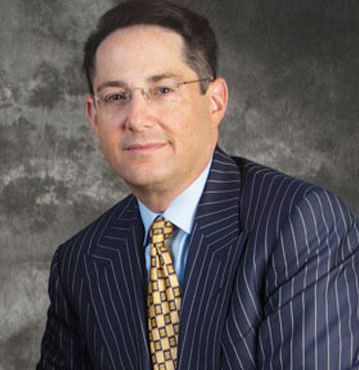
Testosterone replacement therapy (TRT) is a medically supervised treatment that restores testosterone to a healthy range in men experiencing clinically low levels — relieving symptoms like fatigue, weight gain, muscle loss, brain fog, low libido, and depressed mood. Unlike over-the-counter “boosters” that rarely deliver measurable results, TRT at Nusbaum Medical Centers in Cedar Knolls, NJ is grounded in bloodwork and overseen by Michael Nusbaum, MD FACS · FASMBS. This 2026 guide explains the signs of low testosterone, how it is properly diagnosed, and why physician supervision is the difference between a safe, lasting result and a risky shortcut.
Understanding Low Testosterone and Its Impact on NJ Men
Many men in high-stress careers around Morristown mistake the symptoms of low testosterone for simple burnout or “just getting older.” But testosterone influences far more than libido. It drives energy, muscle mass, bone density, mood, focus, and how efficiently your body manages fat. When levels fall below the healthy range — a condition called hypogonadism — the effects are systemic.
Common signs of low testosterone include:
- Persistent fatigue and poor recovery from exercise.
- Unexplained weight gain, especially around the midsection.
- Loss of muscle mass and strength.
- Brain fog, low motivation, and irritability.
- Reduced libido and erectile difficulties.
- Disrupted or unrefreshing sleep.
These symptoms often creep in gradually, which is why so many men dismiss them. Testosterone replacement therapy addresses the root cause rather than the surface complaint — and it starts with an honest, data-driven evaluation.
The Science of Diagnosis and Treatment Options
Proper diagnosis is what separates legitimate TRT from the supplement aisle. Testosterone naturally peaks in the morning, so the clinical gold standard is two separate morning blood tests confirming low levels, interpreted alongside your symptoms. We also assess related markers — thyroid, metabolic panels, and more — because conditions like thyroid dysfunction can mimic low T.
Once a diagnosis is confirmed, treatment is tailored to you. Delivery options include injections, topical gels, and long-acting pellets, each with different advantages your physician will explain. The Mayo Clinic stresses that testosterone therapy should be reserved for men with clinically confirmed deficiency and managed with regular monitoring — not used as a general anti-aging tonic. TRT frequently sits alongside our broader hormone optimization and anti-aging programs.
Why Medically Supervised TRT Matters More Than Ever
The rise of online clinics and “low-T” storefronts has made testosterone easier to obtain — and easier to misuse. Unsupervised therapy can raise red blood cell counts, affect the prostate, disrupt fertility, and mask underlying conditions. None of those risks are reasons to avoid TRT; they are reasons to do it correctly.
Under Dr. Nusbaum's supervision, your program includes baseline and follow-up labs, dose adjustments based on how your body responds, and monitoring of the health markers that keep therapy safe over the long term. You also get something an online prescription cannot provide: a physician who evaluates your whole health picture, including IV therapy and metabolic support, and who is accountable for your outcome. Explore more men's health guides in The Nusbaum Journal.
Maximizing Results: Combining TRT with Medical Weight Loss
Testosterone and metabolism are deeply linked. Low testosterone promotes fat gain, and excess body fat further lowers testosterone — a self-reinforcing cycle that traditional dieting rarely breaks. This is where a full-service practice has a real advantage.
Pairing TRT with our medical weight-loss program — including GLP-1 medications like tirzepatide when appropriate — lets us restore hormonal balance while you lose fat, preserving the lean muscle that keeps your metabolism strong. The result is better body composition, more sustainable energy, and results that hold. When you are ready, book a consultation to see whether TRT fits your goals.