What if your body’s internal chemistry is actively sabotaging your weight loss efforts despite your best intentions? Research published in the New England Journal of Medicine indicates that hormonal shifts after traditional dieting contribute to a 95% failure rate for long-term weight maintenance. At Nusbaum Medical Centers, we recognize that achieving lasting vitality requires more than just willpower. A sleeve gastrectomy serves as a sophisticated metabolic reset, physically altering hunger hormones like ghrelin to finally align your biology with your health goals.

You’ve likely felt the deep frustration of the weight regain cycle, where every pound lost eventually returns, often bringing complications like sleep apnea or Type 2 diabetes along with it. It’s exhausting to fight a battle where the deck feels stacked against you. This 2026 guide will show you how our medically supervised approach in Morristown provides the clinical oversight and personalized support needed for a permanent transformation. We’ll explore the latest surgical safety protocols, the timeline for resolving comorbid conditions, and why a science-backed partnership is the essential key to your sustainable success.

Key Takeaways

  • Understand how a sleeve gastrectomy at Nusbaum Medical Centers acts as a medically supervised metabolic reset to help you achieve sustainable weight loss.
  • Explore the science behind hormonal optimization and how a sleeve gastrectomy can resolve life-altering comorbidities like Type 2 diabetes and hypertension.
  • Compare the long-term benefits of sleeve gastrectomy surgery against modern GLP-1 medications to determine the most effective path for your unique health journey.
  • Learn the essential steps for navigating insurance requirements and preparing for your laparoscopic sleeve gastrectomy in Northern New Jersey.
  • Discover how our comprehensive post-operative nutritional support and expert guidance ensure your sleeve gastrectomy results in a permanent lifestyle transformation.

A sleeve gastrectomy is a transformative surgical procedure that involves removing approximately 80 percent of the stomach. This process reshapes the organ into a slender, banana-sized sleeve, which fundamentally alters how your body processes nutrition and signals hunger. In Morristown and the surrounding Northern New Jersey communities, this procedure has emerged as the gold standard for bariatric care. It balances surgical safety with profound metabolic results, making it the preferred choice for patients ready to reclaim their vitality through a medically supervised path.

To better understand the mechanics of this procedure, watch this helpful video from the experts at Columbia University:

Many patients initially confuse modern sleeve gastrectomy with the “stomach stapling” procedures of the 1980s. However, the contemporary laparoscopic vertical sleeve gastrectomy (VSG) is vastly different. Surgeons perform this procedure using small incisions and specialized cameras, which leads to faster recovery times and less postoperative discomfort. Unlike earlier methods, VSG doesn’t involve foreign objects like bands or the complex intestinal rerouting found in gastric bypass. For a comprehensive overview of sleeve gastrectomy and its clinical history, medical literature confirms its status as a highly effective tool for sustained weight loss and metabolic health.

How VSG Transforms Your Relationship with Food

The surgery does more than just limit the amount of food you can eat. It specifically targets the fundus, the portion of the stomach responsible for producing ghrelin. Ghrelin is the hormone that signals hunger to your brain. By removing this section, we significantly reduce “food noise,” which is the constant, intrusive preoccupation with eating that many patients struggle with daily. You’ll feel satisfied with much smaller portions, allowing you to focus on nutrient-dense choices without the constant battle against biological hunger cues. This procedure differs from gastric bypass because it doesn’t involve malabsorption; instead, it optimizes your natural satiety signals.

Why Northern NJ Patients Choose Nusbaum Medical Centers

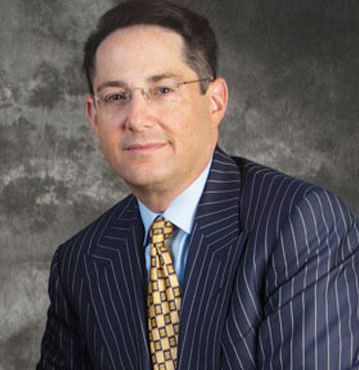
Choosing where to have your surgery is a critical decision that impacts your long-term success. Dr. Michael Nusbaum is a board-certified surgeon who has spent over 25 years perfecting bariatric techniques in New Jersey. We provide a supportive environment where your safety is the absolute priority. With convenient locations in Morristown, Bedminster, and Mendham, we ensure that high-level care is always within reach. We view your surgery as the beginning of a collaborative journey. Our team acts as your dedicated coach, providing the hormone optimization and nutritional guidance necessary for a permanent transformation. We don’t believe in one-size-fits-all solutions; we believe in personalized care that respects your unique health history.

The Science of Weight Loss: How a Vertical Sleeve Resets Your Metabolism

Many people believe a sleeve gastrectomy works simply by making the stomach smaller. While portion control is a significant factor, the true power of this procedure lies in its ability to recalibrate your internal biology. Your body has a “set point,” which is a specific weight it works hard to maintain by adjusting your hunger levels and energy expenditure. For those struggling with chronic obesity, this biological thermostat is often stuck at an unhealthy level. Surgery physically alters the metabolic pathways, allowing your body to accept a lower, healthier weight as its new normal. This shift makes weight loss feel like a natural evolution rather than a constant battle against your own instincts.

The clinical transformation involves a sophisticated reset of insulin sensitivity. Before surgery, many patients suffer from insulin resistance, where the body’s cells don’t respond effectively to the hormone, leading to fat storage and high blood sugar. Post-surgical changes in the gut environment immediately enhance how your body processes glucose. This metabolic efficiency is why we see such rapid improvements in vitality and energy levels shortly after the procedure.

Resolving Life-Threatening Weight-Related Health Problems

The metabolic impact extends far beyond the scale. We see patients experience rapid improvements in chronic conditions that previously required lifelong medication. Research indicates that Type 2 diabetes can enter remission in up to 75% of patients within days of the procedure, often before significant weight has even been lost. This occurs because the surgery immediately alters gut signaling and improves insulin function. Beyond blood sugar, our comprehensive approach to bariatric surgery New Jersey patients helps resolve other serious issues:

  • Obstructive Sleep Apnea: Clinical studies show a 60% resolution rate as airway pressure decreases.
  • Hypertension: Over 70% of patients are able to reduce or eliminate blood pressure medications within the first year.
  • Heart Disease: Lowering systemic inflammation reduces the long-term risk of cardiovascular events by approximately 40%.

The Hormonal Advantage: Ghrelin and Satiety

Ghrelin is the primary hunger signal suppressed by a sleeve gastrectomy because the procedure removes the portion of the stomach where this hormone is primarily produced. When ghrelin levels drop, the constant “mental chatter” about food finally goes quiet. This isn’t a matter of willpower; it’s a fundamental change in your chemistry. According to the Mayo Clinic’s guide to sleeve gastrectomy, the procedure also triggers an increase in satiety hormones like GLP-1 and PYY. These chemicals tell your brain you’re full and satisfied after eating only a small amount of food. This hormonal synergy creates a sustainable environment for long-term health. If you’re ready to see how these biological changes can work for you, we invite you to schedule a personalized consultation with our expert clinical team.

Sleeve Gastrectomy in Morristown, NJ: Your 2026 Guide to Permanent Transformation

Evaluating Your Options: Gastric Sleeve vs. GLP-1 Meds in 2026

You face a unique choice in 2026. The rise of GLP-1 medications like Semaglutide and Tirzepatide has changed the conversation around weight loss. While these injections offer impressive results, they aren’t a universal solution. We view *sleeve gastrectomy as a foundational metabolic surgery that addresses the root of obesity through both mechanical and hormonal shifts. Unlike medications that require lifelong adherence to maintain weight loss, surgery provides a permanent restructuring of your digestive system. Our goal is to help you understand which path aligns with your biology and long-term lifestyle goals.

Surgical vs. Pharmacological Weight Loss

Medications act as a temporary chemical intervention. Once you stop the weekly injections, your appetite hormones often return to their baseline; this leads to weight regain in roughly 66% of patients within a year of discontinuation. In contrast, surgery is “always on.” It removes the portion of the stomach that produces Ghrelin, the primary hunger hormone. According to the Mayo Clinic on sleeve gastrectomy, this procedure offers a predictable path for those with a BMI over 40 who need a durable solution. For Morristown residents, the 10-year cost-effectiveness of surgery often outweighs the cumulative expense of high-tier prescriptions. You can explore our Semaglutide weight loss NJ guide to see how these pharmacological tools fit into a broader, medically supervised health strategy.

When is Surgery the Superior Choice?

Surgery becomes the clinical gold standard when medications fail to deliver or cause intolerable side effects like chronic nausea. We often see patients who’ve hit a weight loss plateau after 18 months on Tirzepatide and need a more aggressive metabolic reset. Surgery is also the clear choice if you suffer from severe hiatal hernias or gastroesophageal reflux disease (GERD) that requires physical repair. If you’ve previously undergone a procedure and haven’t reached your goals, a gastric sleeve revision might be the necessary step to restore your metabolic health.

Our team provides the clinical oversight needed to determine if your biology requires a permanent *sleeve gastrectomy rather than a temporary pharmaceutical bridge. We prioritize your long-term vitality, ensuring your choice leads to a sustainable transformation. We consider several factors during your consultation:

  • Your history with weight loss medications and any previous plateaus.
  • The presence of co-morbidities like Type 2 diabetes or sleep apnea.
  • Your preference for a one-time intervention versus ongoing prescriptions.
  • Physical anatomical issues like large hiatal hernias.

Choosing between surgery and medication isn’t about picking the “easy” way; it’s about selecting the most effective tool for your specific metabolic profile. We’re here to act as your expert guide through this complex decision-making process.

The Path to Surgery: Preparation and Procedure in Northern New Jersey

Your journey toward a *sleeve gastrectomy follows a precise clinical roadmap designed to maximize safety and long-term success. At Nusbaum Medical Centers, we don’t just schedule a surgery; we curate a comprehensive preparation period that typically spans 90 to 180 days depending on your specific health needs. This timeframe allows us to optimize your metabolic health and meet the rigorous criteria set by New Jersey and New York insurance providers. Most major carriers, including Horizon Blue Cross Blue Shield and Aetna, require a documented history of medically supervised weight loss attempts before granting authorization. We manage this documentation for you, ensuring your path to approval is as smooth as possible.

Preparing Your Body and Mind for Transformation

Preparation begins with a personalized 14-day pre-operative liquid diet. This phase is critical for your safety. It effectively shrinks the liver, which sits directly over the stomach, giving our surgeons better visibility and access during the procedure. Beyond the physical, we prioritize your mental readiness through professional nutritional counseling and a psychological evaluation. We believe a prepared mind is the foundation of a permanent lifestyle shift. For those seeking community support, we connect you with local resources and support groups in Morris County and Mendham where you can engage with others who have successfully walked this path.

  • Nutritional Education: Learn the specific protein and hydration requirements for your new anatomy.
  • Liver Reduction: Follow a high-protein, low-carbohydrate liquid protocol to ensure surgical precision.
  • Psychological Readiness: Discuss emotional eating triggers and develop coping strategies for the post-op period.

What to Expect on the Day of Surgery

The *sleeve gastrectomy is performed at our affiliated Morristown area hospitals using a minimally invasive laparoscopic approach. This technique is the gold standard for modern bariatric care. Instead of a single large incision, we use 4 to 5 tiny openings, each less than an inch long. This significantly reduces post-operative discomfort and speeds up your recovery. During the 60 to 90-minute procedure, we use advanced surgical stapling technology to remove approximately 80 percent of the stomach, leaving a narrow, banana-shaped “sleeve.”

Safety is our primary focus, and the minimally invasive nature of the surgery means most patients spend only one night in the hospital. We manage your pain through a multi-modal approach that limits the need for heavy narcotics. You’ll be encouraged to start walking within 4 hours of leaving the operating room. This early mobility is a key component of our protocol, as it helps prevent blood clots and aids in the transition of your digestive system. Our clinical team monitors you closely, ensuring you feel confident and stable before you head home to begin your new life.

If you’re ready to take the first step toward a healthier future, schedule your personalized consultation with our Morristown specialists today.

Beyond the Operating Room: Sustainable Success with Nusbaum Medical Centers

A sleeve gastrectomy isn’t a magic wand; it’s a precision instrument. While the procedure physically alters your stomach capacity, your long-term success depends on the clinical infrastructure supporting you after you leave the recovery room. At Nusbaum Medical Centers, we view the surgery as step one of a lifelong partnership. Our team doesn’t just perform a procedure. We manage your metabolic health through every stage of your evolution, ensuring the weight you lose in 2026 stays off for decades to come.

For the busy NJ/NY professional, health is an investment that requires expert management. We provide the scientific oversight necessary to navigate the complexities of life after surgery. This means moving beyond simple calorie counting to understand your unique hormonal and metabolic profile. We’re your partners in health, offering a bridge between clinical excellence and your daily lifestyle demands.

Personalized Post-Operative Care and Nutrition

Your body undergoes rapid metabolic shifts in the months following a sleeve gastrectomy. We guide you through a strict four-phase nutritional protocol. This begins with clear liquids for the first 7 to 10 days, followed by pureed textures, soft proteins, and eventually your “new normal” of nutrient-dense solids by month three. Because your intake is lower, we monitor your micronutrient levels via regular blood work to prevent deficiencies in B12, Vitamin D, and iron. For patients who need extra metabolic support or reach a weight plateau, our medical weight loss nj programs provide the pharmaceutical and clinical oversight necessary to maintain your trajectory.

Lifestyle and Aesthetic Integration

Rapid weight loss often brings new challenges, particularly regarding skin laxity and stubborn fat pockets that don’t always respond to exercise. For our patients, looking as vibrant as they feel is a key part of the transformation. We offer non-invasive coolsculpting elite to refine your contours once your weight stabilizes. Our Morristown facility integrates these aesthetic solutions with anti-aging protocols to ensure your external appearance matches your internal vitality. This holistic approach ensures you don’t just lose weight; you gain a completely renewed sense of self-confidence.

Your journey doesn’t end when the incisions heal. It begins. We provide the scientific expertise and empathetic support you need for a permanent transformation. Schedule your personalized consultation in Morristown today to take the first step toward a healthier 2026.

Take the Next Step Toward Your Healthier Future

Your path to sustainable health is a journey that requires more than just willpower; it requires the right medical partnership. By 2026, clinical data continues to demonstrate that a sleeve gastrectomy offers a powerful metabolic reset that addresses the biological root causes of weight gain. While GLP-1 medications provide one modern avenue for treatment, surgery remains a gold standard for individuals seeking a permanent structural change to their metabolic hormone signals. At Nusbaum Medical Centers, we believe your transformation depends on a comprehensive, medically supervised framework that extends far beyond the operating room.

Under the leadership of Dr. Michael Nusbaum, a board-certified bariatric surgeon, our team provides expert oversight across our three Northern New Jersey locations in Morristown, Bedminster, and Mountain Lakes. We’ve designed our protocol to support you from your first pre-operative screening through years of long-term maintenance. You don’t have to navigate these complex health decisions alone. We’re here to provide the clinical precision and personalized care your body deserves.

Begin your transformation with a personalized consultation at Nusbaum Medical Centers

We’re ready to help you reclaim your vitality and confidence with a science-backed plan built specifically for your life.

Frequently Asked Questions

What are the BMI requirements for sleeve gastrectomy in New Jersey?

You qualify for a sleeve gastrectomy in New Jersey if your BMI is 35 or higher, or 30 or higher with a weight-related condition like type 2 diabetes. These standards follow the 2022 ASMBS and IFSO clinical guidelines for metabolic surgery. We evaluate your specific health markers during your initial consultation in Morristown to ensure you meet these medical benchmarks. This personalized assessment helps us determine the safest path for your metabolic transformation.

Is gastric sleeve surgery covered by insurance in NJ and NY?

Most major insurance providers in New Jersey and New York, including Horizon Blue Cross Blue Shield and Aetna, provide coverage for gastric sleeve surgery when medical necessity is documented. You typically need to provide 3 to 6 months of medically supervised weight loss attempts to satisfy policy requirements. Our team works directly with your insurer to verify benefits and manage the authorization process. This clinical oversight ensures you can focus on your health journey.

How much weight can I expect to lose in the first year after VSG?

Patients typically lose 60% to 70% of their excess body weight within the first 12 months following a sleeve gastrectomy. For a person starting 100 pounds over their ideal weight, this equates to a 60 to 70 pound reduction by their one year anniversary. Your results depend on following our structured post-operative nutritional plan. We monitor your progress monthly to ensure your metabolic health remains optimized as your body adapts to its new composition.

Can I have a sleeve gastrectomy if I am currently on Ozempic or Wegovy?

You can transition from GLP-1 medications like Ozempic or Wegovy to surgical intervention, but you’ll need to pause these injections 7 to 14 days before your procedure. The American Society of Anesthesiologists recommends this pause to reduce aspiration risks during surgery. We often integrate these medications into a comprehensive post-surgical plan if you hit a plateau. This dual approach combines surgical precision with pharmaceutical support to maximize your long-term vitality.

How long is the recovery period before I can return to work in Morristown?

Most Morristown patients return to office-based work within 1 to 2 weeks after their procedure. If your job involves heavy lifting or physical labor, you’ll need to wait 4 to 6 weeks to prevent complications like incisional hernias. We provide specific clearance dates based on your healing progress during your follow-up appointments. Your recovery is a vital phase where we prioritize your comfort and safety while you regain your energy.

What is the difference between a gastric sleeve and a gastric bypass?

A gastric sleeve removes approximately 80% of your stomach to limit food intake, while a gastric bypass creates a small pouch and reroutes a portion of your small intestine. The sleeve doesn’t involve intestinal rerouting, which reduces the risk of long-term malabsorption issues. Both procedures effectively alter hunger hormones like ghrelin. We help you choose the specific surgical technique that aligns with your metabolic profile and health history during our clinical consultation.

Are there specific dietary restrictions I must follow forever after surgery?

You’ll follow a protein-first diet indefinitely, prioritizing 60 to 80 grams of protein daily to maintain muscle mass. While you can eventually eat most foods in small portions, we advise avoiding carbonated beverages and high-sugar liquids to prevent discomfort. These lifelong habits aren’t restrictions but rather tools for your empowerment. We provide a detailed nutritional roadmap that evolves from liquids to solid foods over a 5-week period.

What happens if I regain weight after my sleeve gastrectomy?

If you experience weight regain, we utilize a combination of nutritional counseling, metabolic testing, and GLP-1 agonist medications to get you back on track. Research shows that roughly 20% of patients may regain some weight after five years without consistent lifestyle support. We don’t view regain as a failure but as a clinical signal that your treatment plan needs adjustment. Our team remains your partner for years following surgery to ensure your transformation is permanent.