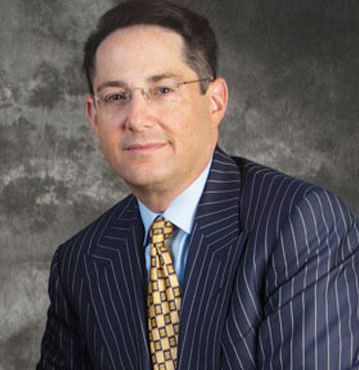
Post menopause symptom treatment is not about pushing through hot flashes, stubborn weight gain, low energy, and vaginal dryness until they eventually fade — for many women, they never do. At Nusbaum Medical Centers in Cedar Knolls, NJ, Michael Nusbaum, MD FACS · FASMBS treats postmenopause as a long, treatable phase of hormonal change rather than a finish line, pairing precise lab testing with bioidentical hormone therapy, metabolic care, and targeted symptom relief. If your periods stopped twelve or more months ago and you are still struggling, you are not imagining it — and you do not have to just endure it.
- On this page:
- Why Symptoms Persist
- What Treatment Should Address
- Your Treatment Options
- Your Care Path
- FAQs
Why Postmenopausal Symptoms Can Persist for Years
Menopause is officially confirmed after twelve consecutive months without a period, but the hormonal changes behind it do not resolve on that anniversary. Estrogen, progesterone, and testosterone influence far more than the menstrual cycle — they shape body-fat distribution, muscle mass, insulin sensitivity, vaginal tissue health, sleep regulation, mood, and mental clarity. Once these hormones drop and stay low, some women stabilize while others continue to feel the effects for years.
The picture is rarely limited to hot flashes. A woman may come in focused on stubborn midsection weight but also be living with fatigue, poor sleep, joint discomfort, thinning hair, low libido, and a noticeable dip in confidence. Treating one symptom in isolation misses the bigger picture.
A physician-led evaluation matters because symptoms that seem hormonal can overlap with other conditions. According to the Mayo Clinic, menopausal changes affect nearly every system in the body — and thyroid dysfunction, insulin resistance, sleep disorders, stress, and age-related muscle loss can all mimic or magnify them. That is why our first step is thyroid function testing and comprehensive hormone and metabolic labs, not guesswork.
What Effective Post Menopause Symptom Treatment Should Address
The best treatment is personalized, because symptom patterns, medical history, risk factors, and goals vary from woman to woman. One patient wants relief from night sweats and vaginal discomfort. Another is more concerned about weight gain, low libido, and declining energy. A single protocol cannot serve both well.
Effective care focuses on symptom relief and measurable health outcomes. A complete plan should account for:
- Vasomotor symptoms — hot flashes and night sweats that disrupt sleep
- Genitourinary changes — vaginal dryness, discomfort, and intimacy concerns
- Metabolic shifts — midsection weight gain, insulin resistance, and slowing metabolism
- Energy, mood, and cognition — fatigue, low mood, anxiety, and brain fog
- Musculoskeletal and skin quality — joint aches, muscle loss, thinning hair, and skin changes
If sleep improves but body composition keeps worsening, the plan is incomplete. If hot flashes ease but dryness and libido remain, more targeted care is needed. The goal is a plan that moves every number and every symptom that matters to you.
Your Post Menopause Treatment Options
Modern postmenopausal care draws on several evidence-based tools, combined and calibrated to your labs and goals.
Bioidentical hormone therapy
For moderate-to-severe symptoms, hormone therapy remains the most effective option. Our bioidentical hormone replacement therapy uses hormones molecularly identical to your own — estradiol, progesterone, and testosterone — dosed from real lab values and delivered as creams, patches, or long-acting pellets. Restoring what has declined addresses the root cause of many symptoms at once.
Metabolic and weight care
Because falling estrogen drives insulin resistance and abdominal fat, hormone care works best inside a broader metabolic strategy. A physician-led medical weight-loss program — including GLP-1 therapies such as semaglutide when appropriate — can break a stubborn plateau. For localized, diet-resistant fat that lingers after weight stabilizes, non-surgical CoolSculpting refines the midsection.
Vitality and skin support
Supportive services such as IV nutrient therapy and our broader anti-aging programs help address energy, hydration, and skin quality as part of a whole-picture plan.
Your Personalized Care Path in Cedar Knolls
Precision, not guesswork, is what separates medically supervised care from a generic prescription. Your path with our team follows a clear sequence:
- Comprehensive diagnostics: detailed panels assessing hormones, thyroid, and metabolic markers so every decision is guided by data.
- A personalized protocol: hormone dosing and metabolic care matched to your symptoms and delivered in the form that fits your life.
- Whole-picture support: coordinated weight, skin, and vitality services where they help.
- Ongoing follow-up: re-testing and dose adjustment so the plan evolves as your body responds.
With more than 25 years of experience and over 25,000 patients treated, Dr. Nusbaum's team treats postmenopause as a chance to recalibrate — protecting long-term health while restoring energy and confidence. Explore more in The Nusbaum Journal or book a consultation to begin.