Non-surgical fat reduction works when the right FDA-cleared technology is matched to the right patient and the right pocket of fat — and it fails when it is oversold as weight loss. At Nusbaum Medical Centers in Cedar Knolls, Morris County, Michael Nusbaum, MD FACS · FASMBS, uses treatments like CoolSculpting and EMSculpt NEO to permanently reduce stubborn, diet-resistant fat without incisions or downtime. This guide explains what genuinely works, which areas respond, and how these treatments compare to surgery so you can judge results honestly before you commit.
What Non-Surgical Fat Reduction Really Means
You can eat clean, train consistently, and reach a healthy weight and still have a lower abdomen, flanks, arms, or double chin that simply will not change. That resistant fat is usually why people begin researching non-surgical options — not as a shortcut, but as a solution for fat that behaves differently from the rest of the body.
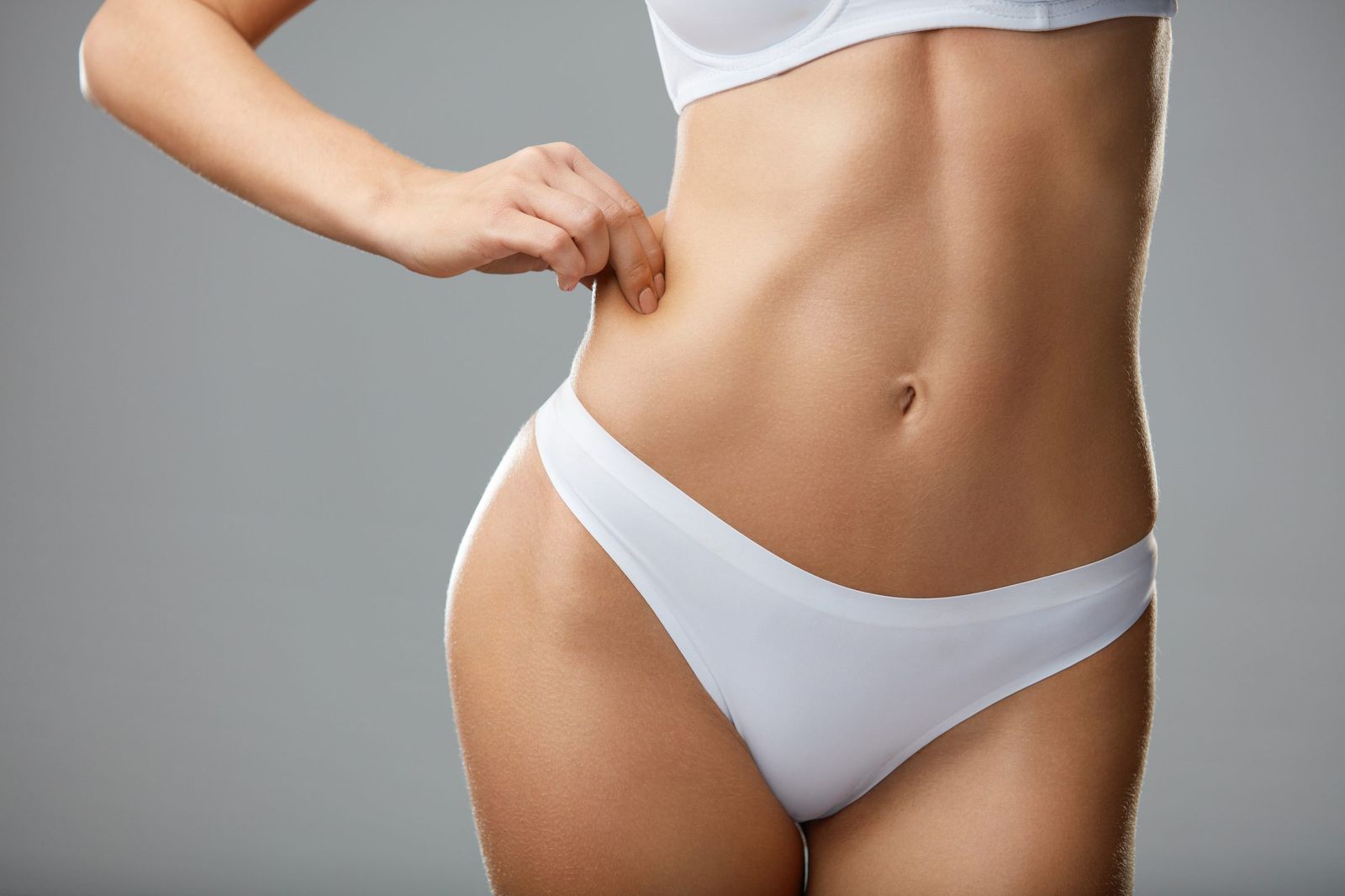
Non-surgical fat reduction refers to treatments that reduce localized fat deposits without liposuction or excisional surgery. The energy — controlled cooling or heat — injures fat cells through the skin, and those cells then die and are cleared naturally by your lymphatic system over the following weeks. Because adults have a largely fixed number of fat cells, the ones destroyed do not come back.
The critical distinction: these are body contouring procedures, not obesity treatment. The goal is to improve shape and proportion in stubborn areas, not to move the scale. A successful result usually means better-fitting clothes and a more defined silhouette — not dramatic weight loss.
What Actually Works: The Proven Technologies
The phrase "non-surgical fat reduction" gets used loosely, and not every device delivers. The treatments with the strongest track record work in clearly different ways, which is exactly why matching the technology to your goal matters.
- CoolSculpting (cryolipolysis): Cooled applicators freeze subcutaneous fat to a temperature that kills fat cells while sparing skin, nerve, and muscle, reducing a treated area by roughly 20–25%. It excels at discrete, pinchable pockets — flanks, abdomen, and under the chin. See our CoolSculpting explainer for details.
- EMSculpt NEO: Combines radiofrequency heating to melt fat with electromagnetic energy that forces thousands of supramaximal muscle contractions, reducing fat and building muscle in one 30-minute session — a dual action cold-only devices cannot match.
For concerns that are not really about fat volume, the right answer is a different tool. Skin laxity responds to Morpheus8 radiofrequency microneedling, while dimpling from cellulite is better addressed with Avéli. According to the American Society of Plastic Surgeons, non-invasive fat reduction is among the fastest-growing categories in aesthetic medicine — which is precisely why choosing the correct technology, not just the trendiest, determines whether it works for you.
Non-Surgical vs. Liposuction: Honest Expectations
The right choice depends on how much fat you want removed and how quickly. Non-surgical treatments are powerful for the right job, but they are not a substitute for surgery when volume is significant.
- Volume: SmartLipo and traditional liposuction remove far more fat in one session; non-surgical devices refine smaller, targeted areas.
- Downtime: Non-surgical treatments have essentially none; surgical liposuction requires days to weeks of recovery.
- Skin tightening: Laser-assisted and radiofrequency options tighten skin; freezing does not.
- Timeline: Surgery shows results once swelling resolves; non-surgical results emerge gradually over two to three months.
Many New Jersey patients combine approaches — surgery for larger areas, non-surgical maintenance afterward. And if meaningful weight remains, a medical weight loss program should always come first; contouring is the finishing step, not the foundation.
Are You a Candidate?
The best candidates are at or near a stable, healthy weight with specific, pinchable pockets of fat that resist diet and exercise — commonly the abdomen, flanks, back, thighs, upper arms, and under the chin.
You are likely a good candidate if you
- Have a BMI generally under 30 with localized, diet-resistant fat
- Expect gradual refinement rather than dramatic weight loss
- Prefer to avoid anesthesia, incisions, and downtime
Physician screening is what separates a medical practice from a storefront. Dr. Nusbaum evaluates your metabolic health, rules out conditions that affect results, and confirms the fat is subcutaneous rather than visceral — because non-surgical devices cannot treat the deep fat around your organs. That clinical layer is why patients across Morris County trust Nusbaum Medical Centers over walk-in providers. Compare your options on the full services menu.