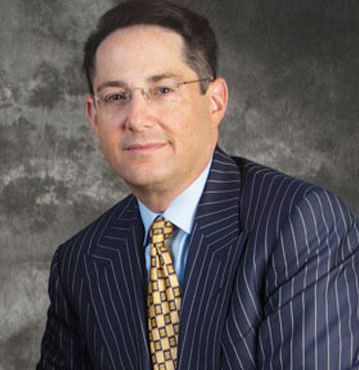
Medical weight loss programs in Morristown, New Jersey combine prescription therapies like semaglutide and tirzepatide with continuous physician supervision to treat obesity as the metabolic condition it is — not a failure of willpower. At Nusbaum Medical Centers in nearby Cedar Knolls, Michael Nusbaum, MD FACS · FASMBS, has helped more than 25,000 North Jersey patients move beyond crash diets to sustainable, physiologically driven results. This 2026 guide explains how modern programs work, how medical and surgical paths compare, and why local clinical oversight is the difference between temporary loss and a lasting transformation.
- On this page:
- Modern Medical Weight Loss
- Medical vs. Surgical
- Why Supervision Matters
- Choosing Your Program
- FAQs
What Defines Modern Medical Weight Loss in Morristown
For decades, weight was viewed through the narrow lens of personal discipline. That framing is outdated. Today, medicine understands obesity as a chronic, relapsing metabolic disease driven by hormones, genetics, and neurology — a condition your body actively defends by adjusting hunger signals and metabolic rate whenever you try to lose weight.
Modern medical weight-loss programs work with that biology instead of fighting it. Rather than prescribing another restrictive diet, a physician-led program manages the underlying physiology: appetite-regulating hormones, insulin sensitivity, and the metabolic adaptations that cause most diets to fail. The result is weight loss that is easier to achieve and, critically, easier to maintain.
This is why patients across Morris County — from Morristown to Cedar Knolls to Madison — increasingly seek supervised medical programs over commercial diet plans. The science has simply moved on, and the tools available in 2026 are more effective than anything available even a few years ago.
Comparing Weight-Loss Options: Medical vs. Surgical
There is no single right program — the best fit depends on your BMI, your health history, and your goals. The two broad paths are medical (medication-based) and surgical.
Medical (GLP-1) programs
Prescription therapies have transformed non-surgical weight loss:
- Semaglutide — a once-weekly GLP-1 medication that reduces appetite and improves how the body handles glucose.
- Tirzepatide — a dual-action therapy targeting two gut hormones, associated with the strongest average weight loss among current non-surgical options.
These suit patients seeking significant loss without an operation, or those building momentum before considering surgery.
Surgical programs
For patients with higher BMIs or serious metabolic disease, surgical weight loss — most commonly the gastric sleeve — produces larger, more durable results and often resolves conditions like type 2 diabetes. Because Nusbaum Medical Centers offers both medical and surgical care, your recommendation is based on your physiology, not on the one service a clinic happens to sell.
Why Clinical Supervision Is Non-Negotiable
The medications driving today's weight-loss revolution are powerful, and that power demands oversight. Studies show that a large majority of patients without diabetes discontinue GLP-1 therapy within two years — frequently because of unmanaged side effects, incorrect dosing, or a simple lack of support. When the medication stops without a plan, rebound weight gain often follows.
Physician supervision changes this trajectory in concrete ways:
- Individualized titration — dosing is escalated gradually to minimize nausea and GI side effects.
- Nutritional protection — ensuring adequate protein and muscle preservation while appetite is suppressed.
- Monitoring and adjustment — catching plateaus, side effects, and interactions early.
- An exit strategy — a deliberate plan for maintaining results if or when medication is tapered.
The Mayo Clinic emphasizes that anti-obesity medications work best as part of a comprehensive, medically supervised program. A prescription alone is not a program — the supervision is what makes it work.
How to Choose the Best Program in Morristown
When vetting a weight-loss provider in the North Jersey area, look past marketing to the clinical fundamentals.
- Physician-led, not just physician-signed — your care should be directed by a doctor who understands metabolic medicine, not delegated to a prescription mill.
- A full spectrum of options — a practice offering both medical and surgical paths can be honest about which one truly fits you.
- Ongoing monitoring — regular follow-up, lab work, and dose adjustment, not a one-and-done visit.
- Local access — in-person care close to home makes the consistent follow-up that drives lasting results far easier to sustain.
Nusbaum Medical Centers in Cedar Knolls sits minutes from Morristown and offers the complete range — from GLP-1 programs and genetically informed nutrition to advanced bariatric surgery — under one physician's direction. Ready to find your path? Book a consultation and we will build a plan around your unique profile.