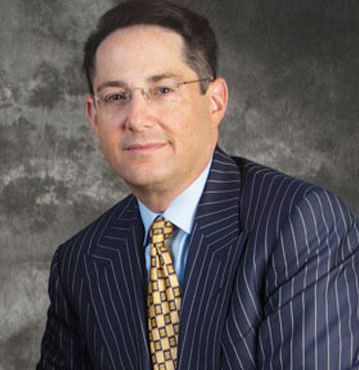
Yes — CoolSculpting permanent fat reduction is real: the fat cells destroyed by controlled cooling are cleared from your body and do not grow back. The important caveat, explained by Michael Nusbaum, MD FACS · FASMBS at Nusbaum Medical Centers in Cedar Knolls, NJ, is that your remaining fat cells can still enlarge if you gain weight. Understanding that distinction is what separates a lasting CoolSculpting result from a disappointing one.
How CoolSculpting Actually Removes Fat
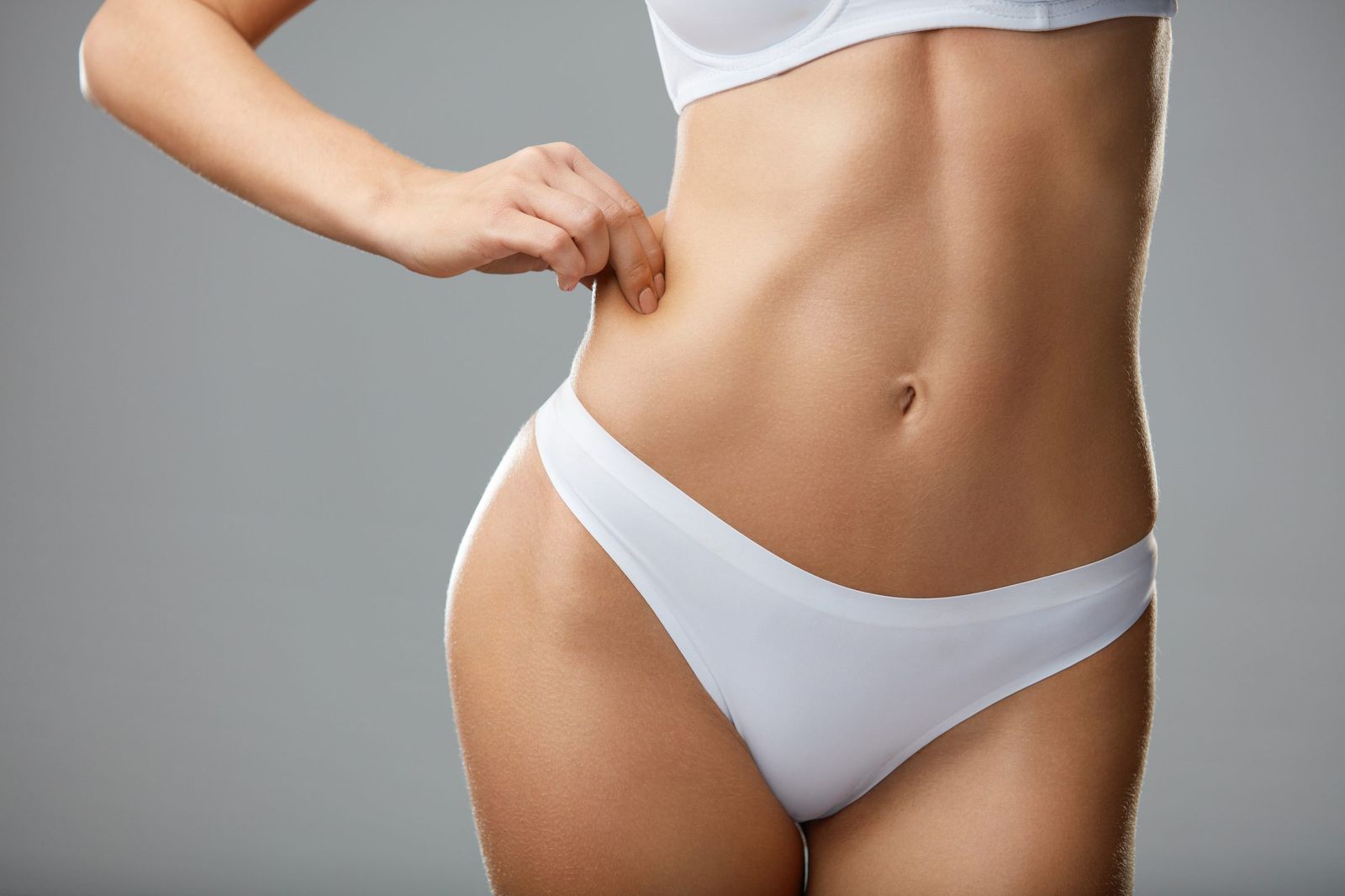
CoolSculpting uses a process called cryolipolysis — precisely controlled cooling that brings targeted fat cells to a temperature cold enough to injure them while leaving skin, nerves, and muscle unharmed. Fat cells are more vulnerable to cold than surrounding tissue, which is what makes the treatment non-surgical and requires no anesthesia or downtime.
Once those fat cells are damaged, your body treats them as waste. Over the following weeks, your lymphatic system and immune cells gradually break them down and clear them out permanently. This is the biological reason CoolSculpting can deliver a lasting change: unlike simply shrinking fat cells through diet, it actually reduces the total number of fat cells in the treated pocket. The American Society of Plastic Surgeons recognizes cryolipolysis as an established non-invasive fat-reduction technology; you can review the broader category at the ASPS.
Why the Reduction Is Considered Permanent
Adults do not typically generate large numbers of new fat cells in a treated area. That means once cryolipolysis eliminates a portion of the fat cells in your abdomen, flanks, or thighs, those specific cells are gone and will not come back the way skin or hair regenerates. This is why patients can maintain an improved contour for years.
But permanent does not mean untouchable. Every remaining fat cell in your body — including the ones nearby that survived treatment — can still shrink or enlarge depending on your calorie balance. If you gain a meaningful amount of weight, those surviving cells expand and the sculpted definition softens. You will usually still look better than before treatment, but the crisp result can fade. The permanence applies to the cells removed, not to a guarantee against future weight gain.
How to Keep Your CoolSculpting Results
Protecting your investment comes down to weight stability. Because the treated cells are gone but neighbors remain, a consistent weight lets your new contour hold. Most patients keep their results by pairing CoolSculpting with the same fundamentals we coach in our medical programs:
- Maintain a steady weight — dramatic gain is the main thing that erodes results.
- Stay active and strength-train to support tone in the treated area.
- Address stubborn regain medically if it happens — our medical weight-loss programs, including semaglutide, can help you hold your baseline.
For patients whose primary issue is loose skin or a larger fat volume rather than a pinchable pocket, we may recommend SmartLipo or liposuction instead — matching the tool to the concern is what produces durable satisfaction.
Is CoolSculpting Right for You?
CoolSculpting is designed for localized, diet-resistant fat — not major weight loss. The best candidates are within a reasonable range of their goal weight, in good general health, and bothered by a specific pocket that will not respond to diet and exercise: the lower belly, love handles, inner thighs, upper arms, back, or under the chin.
It is not the right tool for significant loose skin, separated abdominal muscles, or overall weight reduction. During a consultation in Cedar Knolls, Dr. Nusbaum evaluates your fat distribution, skin quality, and weight stability across Morris County and New Jersey, then recommends whether CoolSculpting, a surgical option, or a medical weight-loss plan will give you the most lasting result.