How long do liposuction results last is one of the first questions every patient asks before committing to surgery, and it's a fair one given the investment involved. The short answer: the fat cells removed during liposuction are gone permanently, and for most patients who maintain a stable weight, results last for many years or a lifetime after healing is complete.
- On this page:
- Why It's Permanent
- Weight Changes
- Skin Elasticity
- Habits That Help
- Liposuction vs. Alternatives
- Why Surgeon Experience Affects Longevity of Results
- FAQs
Why Liposuction Results Are Considered Permanent
Liposuction physically removes fat cells from the treated area using a thin cannula, and the body does not regenerate new fat cells in that location afterward. This is fundamentally different from diet and exercise, which shrink existing fat cells without eliminating them. Because the cell count in the treated area is permanently reduced, most patients maintain a noticeably slimmer contour in that region for years, provided their weight remains relatively stable.
The full final result typically takes three to six months to appear, as swelling resolves and skin settles into its new contour. Once healing is complete, the change to that area is considered stable and long-lasting under normal circumstances.
Patients are often surprised by how much improvement continues to appear even after the initial recovery period, as residual swelling gradually resolves and the skin fully adapts to its new underlying contour over the following months.
Recovery time varies depending on the size and number of areas treated, but most patients return to light activity within a week and to more strenuous exercise within four to six weeks, following their surgeon's specific guidance for a smooth healing process.
How Weight Changes Affect Long-Term Results
While the treated area itself has fewer fat cells, the fat cells that remain elsewhere in your body — and in the treated area, to a lesser extent — can still expand if you gain significant weight. This means substantial weight gain after liposuction can change your proportions and soften your results, even though the treated area often still looks better than it would have without surgery. Maintaining your post-surgery weight within a reasonable range is the most important thing you can do to protect your outcome.
What Counts as a Stable Weight?
Small, normal fluctuations of a few pounds are not a concern. The factor that matters is avoiding large, sustained weight gain of 10% or more of your body weight, which is why many patients treat liposuction as a complement to, not a replacement for, an already stable weight and lifestyle.
This is also why we spend time during your consultation discussing your weight history and future plans, since a patient anticipating a major life change — a new job, a pregnancy, or a significant lifestyle shift — may benefit from timing surgery differently than someone whose weight has already been stable for years.
The Role of Skin Elasticity in Your Results
Skin needs to retract smoothly over the newly contoured area for the best long-term appearance. Younger patients and those with good skin elasticity generally see tighter, longer-lasting results, while patients with looser skin from age or prior significant weight loss may see less dramatic tightening. This is why a thorough evaluation before surgery — including an honest conversation about skin quality — is such an important part of planning at Nusbaum Medical Centers.
In some cases, patients with more pronounced skin laxity benefit from combining liposuction with a skin-tightening procedure, or choosing an excisional technique instead, to achieve the smoothest possible long-term result. This is determined individually during your surgical consultation.
Non-smokers and patients with well-managed overall health tend to see the best skin retraction after surgery, since good circulation and tissue health play a direct role in how smoothly the skin adapts to its new underlying contour.
Habits That Extend Your Results
- Maintain a consistent, balanced diet rather than yo-yo dieting
- Incorporate regular strength training to support muscle tone around treated areas
- Stay well hydrated to support skin health over the long term
- Follow all post-operative garment and activity guidance during initial recovery
Compression garments worn as directed during the first several weeks after surgery play an important role in how smoothly the skin settles, which can influence the long-term appearance of your results as much as lifestyle habits do.
Gentle massage of the treated area, when recommended by your surgeon, can also support smoother healing and reduce the appearance of firmness or unevenness that sometimes occurs temporarily during the first few months of recovery.
Liposuction Compared to Non-Surgical Alternatives
Patients sometimes compare traditional liposuction to non-surgical options like CoolSculpting or our minimally invasive SmartLipo laser technique. In general, surgical liposuction removes a greater volume of fat in a single session and can address larger areas, while non-surgical options suit patients seeking smaller, more gradual changes with no downtime. The right choice depends on your goals, anatomy, and how much correction you're seeking, which is best discussed during an in-person consultation.
Recovery time also differs significantly between these options. Non-surgical treatments involve no downtime, while traditional liposuction typically requires one to two weeks before returning to normal activity and several more weeks before resuming strenuous exercise, which is an important practical consideration for many patients when weighing their options.
Cost is another factor worth understanding upfront, since surgical liposuction is generally a larger single investment while non-surgical options are often billed per session and may require multiple visits to achieve a comparable overall change.
Why Surgeon Experience Affects Longevity of Results
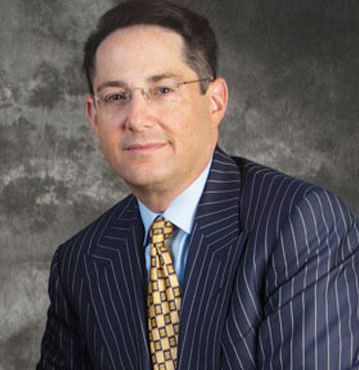
Technique matters as much as biology. An experienced surgeon sculpts the treated area with attention to natural contours and even fat removal, which affects how smooth and long-lasting the final result looks. Dr. Nusbaum has performed body-contouring procedures for over 25 years, and the American Society of Plastic Surgeons emphasizes surgeon experience and board certification as key factors in safe, satisfying outcomes.
If you're considering liposuction and want an honest assessment of your candidacy and expected longevity, our Cedar Knolls team welcomes patients from Morristown, Livingston, and across New Jersey for a private consultation.
Every consultation includes a candid discussion of what surgery can and cannot achieve for your specific body, since setting realistic expectations upfront is one of the most important predictors of long-term patient satisfaction with any body-contouring procedure.