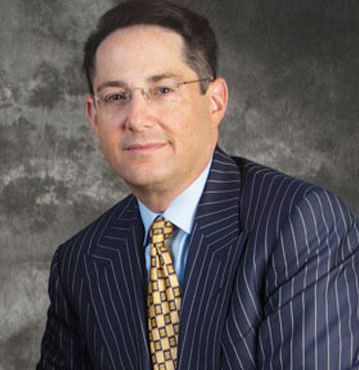
Gastric sleeve surgery is a minimally invasive procedure that removes about 75–80% of the stomach to create a narrow, sleeve-shaped pouch — reducing hunger hormones and portion size to drive significant, lasting weight loss. For patients near Morristown, NJ, this bariatric procedure is performed by Michael Nusbaum, MD FACS · FASMBS, a fellowship-trained surgeon in Cedar Knolls with more than 25 years and 25,000+ weight-loss patients.
How Gastric Sleeve Surgery Works
Gastric sleeve surgery — formally called vertical sleeve gastrectomy (VSG) — is today one of the most common and effective bariatric procedures worldwide. During the operation, the surgeon removes roughly 75 to 80 percent of the stomach, leaving behind a slim, banana-shaped ‘sleeve.’ It works through two powerful mechanisms:
- Restriction: the smaller stomach holds far less food, so you feel full sooner and eat less.
- Hormonal change: the portion removed produces most of the body’s ghrelin, the hormone that signals hunger. With it gone, appetite and cravings drop dramatically — a metabolic effect that dieting alone can never replicate.
According to the Mayo Clinic, sleeve gastrectomy leads to significant long-term weight loss and improvement in many obesity-related conditions. Compared with gastric bypass, the sleeve involves no rerouting of the intestines, which keeps it technically simpler and preserves normal nutrient absorption. See our overview of surgical weight loss programs to compare all options.
Are You a Candidate for the Gastric Sleeve?
Bariatric surgery is a medical decision, and candidacy is determined through a thorough evaluation — not a number alone. Generally accepted guidelines include:
- A body mass index (BMI) of 40 or higher, or
- A BMI of 35 or higher along with a serious obesity-related condition such as type 2 diabetes, obstructive sleep apnea, or hypertension.
Just as important, strong candidates have tried non-surgical approaches, understand the lifelong lifestyle commitment, and are ready to partner with a medical team. During your consultation, we review your health history, current medications, and goals to confirm the sleeve is the right fit. If surgery isn’t the best starting point, we may recommend a gastric balloon or our medical weight loss program instead. Our detailed gastric sleeve page covers the specifics.
Your Gastric Sleeve Journey, Step by Step
A successful outcome is built on structure and support. Here’s the path our Morristown-area patients follow:
1. Consultation and evaluation
We confirm candidacy, order any needed testing, and coordinate insurance. You’ll meet the team who supports you before and after surgery.
2. Pre-operative preparation
Guided by our dietitians, you’ll follow a pre-surgery nutrition plan that shrinks the liver and prepares your body for a safe procedure.
3. The procedure
The laparoscopic surgery typically takes about an hour. Because it’s minimally invasive, most patients stay just one to two nights in the hospital.
4. Recovery and progression
You’ll advance carefully from liquids to purees to solid foods over several weeks. Most patients return to desk work within one to two weeks.
5. Long-term follow-up
Ongoing visits, lab checks, and nutritional coaching keep your progress on track and help you avoid a weight-loss plateau down the road.
Life After Gastric Sleeve: Thriving Long-Term
The sleeve is a powerful tool, but lasting transformation comes from the habits you build around it. In the first year, most patients lose a substantial portion of their excess weight, and many see obesity-related conditions improve or resolve. To thrive:
- Prioritize protein: aim for protein at every meal to protect muscle as you lose fat.
- Stay hydrated: sip fluids throughout the day, but avoid drinking with meals to respect your smaller stomach.
- Take your supplements: a daily bariatric vitamin regimen prevents deficiencies for life.
- Move consistently: regular activity accelerates results and supports mental well-being.
You won’t navigate this alone. Our Cedar Knolls team — minutes from Morristown — provides the ongoing medical and nutritional support that turns surgery into a permanent transformation.