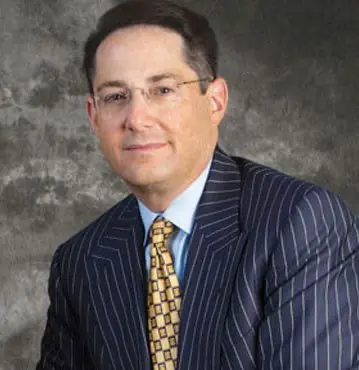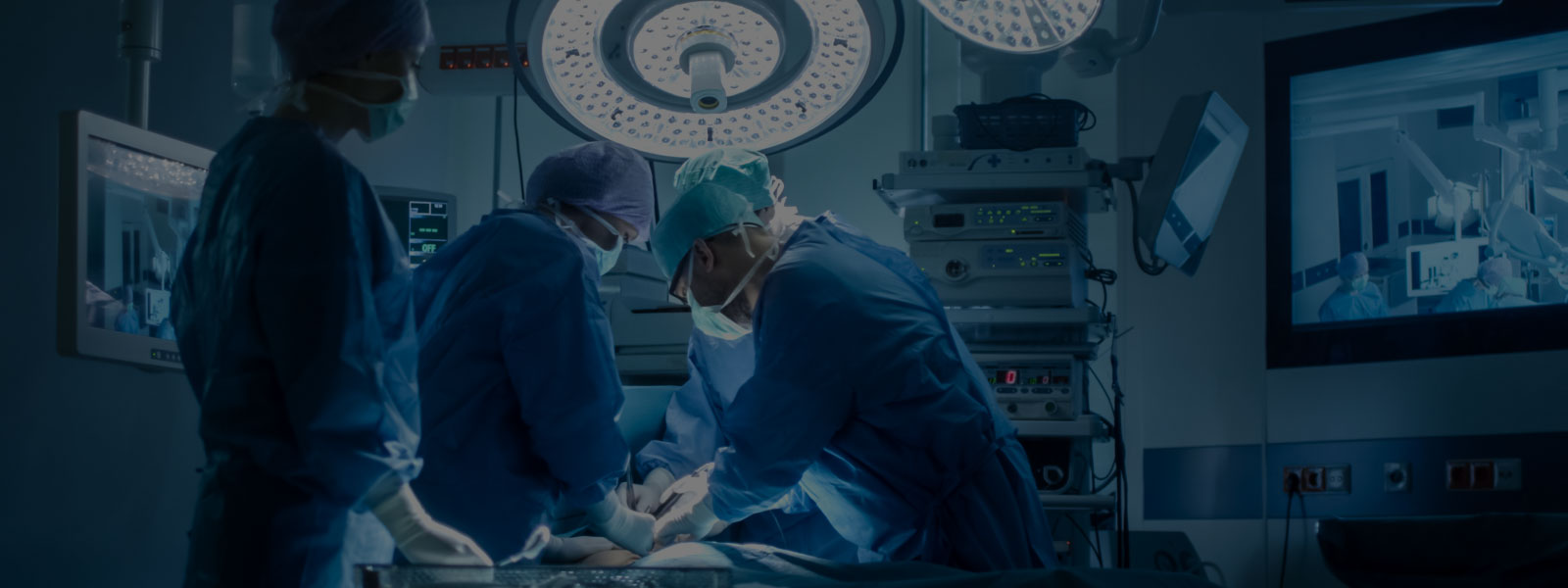
Gallbladder surgery in NJ at Nusbaum Medical Centers is performed laparoscopically, through a few small incisions, by Dr. Michael Nusbaum, a board-certified surgeon and one of the pioneers of laparoscopic surgery in New Jersey.
The gallbladder is a small organ under the liver that stores bile, a fluid that helps digest fat. When stones form inside it, or when it becomes inflamed, it can cause repeated attacks of pain and, in some cases, serious complications. Removing the gallbladder, an operation called a cholecystectomy, is one of the most common surgeries performed in the United States, and most people digest food normally without it.
Signs Your Gallbladder May Be the Problem
Gallstones often cause no symptoms at all. When they do, the most common pattern is a gallbladder attack, sometimes called biliary colic. Typical signs include:
- Pain in the upper right or upper middle of the abdomen, often after a fatty or heavy meal
- Pain that spreads to the right shoulder or between the shoulder blades
- Nausea or vomiting during an attack
- Bloating, indigestion or discomfort that keeps coming back
Some symptoms need prompt medical care. Fever with abdominal pain, yellowing of the skin or eyes, dark urine, or severe pain that lasts more than a few hours can mean an infected or blocked gallbladder or bile duct. If you have these symptoms, go to the nearest emergency room or call 911. The National Institute of Diabetes and Digestive and Kidney Diseases has a helpful overview of gallstones and their warning signs.
When Is Gallbladder Removal Recommended?
Gallstones that do not cause symptoms usually do not need surgery. Dr. Nusbaum may recommend removing the gallbladder when you have:
- Repeated gallbladder attacks from gallstones
- Inflammation of the gallbladder (cholecystitis)
- A gallstone that has blocked a bile duct or caused pancreatitis
- A gallbladder that does not empty properly, confirmed by testing
- Gallbladder polyps that need to be removed
Your evaluation usually includes a review of your symptoms, a physical exam, and imaging such as an abdominal ultrasound. If you already have results, bring them to your visit.
Gallstones and Weight Loss
Gallstones are more common in people living with obesity and can also develop during rapid weight loss, including after bariatric surgery. Because Dr. Nusbaum also leads our weight loss surgery and medical weight loss programs, he can look at your gallbladder and your overall health together and plan care that fits both.
What to Expect From Laparoscopic Gallbladder Surgery
A laparoscopic cholecystectomy is done under general anesthesia. The surgeon makes a few small incisions in the abdomen, uses a tiny camera to see inside, and removes the gallbladder through one of the incisions. The operation itself usually takes about an hour.
Many patients go home the same day or after one night. Most people return to light daily activity within about a week and to full activity within a few weeks, depending on their job and how they feel. You will get clear instructions on diet, activity, wound care and pain control, along with a follow-up visit. In a small number of cases, a larger open incision is needed for safety; Dr. Nusbaum will explain this and the other risks of surgery during your consultation.
Insurance and Getting Started
When gallbladder removal is medically necessary, it is generally covered by health insurance, subject to your plan's terms. Our team will verify your insurance benefits and explain any costs before your procedure. To get started, request a consultation or call (973) 998-9833.
Why Choose Nusbaum Medical Centers
Dr. Michael Nusbaum, MD FACS · FASMBS, has cared for more than 25,000 patients over 25+ years and is one of the pioneers of laparoscopic surgery in New Jersey. As a Fellow of the American College of Surgeons and the American Society for Metabolic and Bariatric Surgery, he brings a minimally invasive approach and a focus on safety and clear communication to every patient. Our center is located at 197 Ridgedale Ave, Ste 160, in Cedar Knolls, convenient to patients across Morris, Essex, Passaic and surrounding counties.