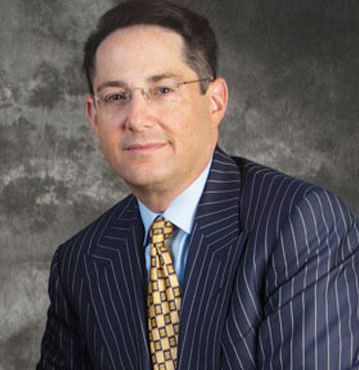
Your first medical weight loss visit at Nusbaum Medical Centers in Cedar Knolls, Morris County is a thorough, judgment-free medical evaluation — not a weigh-in and a lecture. Over about 45 to 60 minutes, Dr. Michael Nusbaum and his team review your full health history, run the right diagnostics, and begin building a plan around your biology. Knowing what to expect makes the whole experience easier, so here is a step-by-step walkthrough.
- On this page:
- Before You Arrive
- The Health Review
- Diagnostics & Labs
- Building Your Plan
- What Happens Next
- FAQs
Before You Arrive: How to Prepare
A little preparation makes your first visit far more productive. The more complete a picture we have on day one, the faster we can move from diagnosis to a plan you can act on.
We recommend bringing:
- A current list of all medications and supplements, including doses — several common prescriptions quietly promote weight gain.
- Your weight history: roughly when weight changed, what diets you have tried, and what worked or did not.
- Any recent lab work or records from your primary care doctor.
- A short list of your goals and concerns — whether that is energy, a specific number, or managing a condition like prediabetes.
You can save time by completing intake forms ahead of your appointment. When you book your consultation, our team will let you know what to fill out.
The Health Review: A Conversation, Not a Lecture
The heart of your first visit is a detailed, respectful conversation. Dr. Nusbaum has guided more than 25,000 patients, and the tone is collaborative — he is gathering information, not assigning blame for the number on the scale.
Expect to talk through your medical history (thyroid, diabetes, blood pressure, sleep, mood), your family history, and lifestyle factors like schedule, stress, and eating patterns. This is also where you can ask anything: how semaglutide or tirzepatide work, whether a gastric balloon could fit, or what to expect from results.
We will also take baseline measurements — weight, body composition, and vitals — so progress can be tracked objectively at every follow-up.
Diagnostics and Lab Work
What separates a medical program from a diet is data. Weight rarely rises for one simple reason, so we test to find the real drivers rather than guessing.
Depending on your history, your workup may include:
- Thyroid function testing — an underactive thyroid is a classic hidden cause.
- Metabolic markers such as fasting glucose, insulin, and A1c to screen for insulin resistance and prediabetes.
- Hormone panels, since imbalances can stall weight loss; some patients benefit from bioidentical hormone therapy.
- Genetic insights through The Genetic Diet to match nutrition to your DNA.
The American Board of Obesity Medicine emphasizes this kind of individualized workup because effective treatment depends on identifying the specific factors at play for each patient.
Building Your Personalized Plan
Once we understand your biology, we design a plan together. There is no single “Nusbaum diet” — the right approach depends entirely on what your evaluation reveals and what you are ready to commit to.
Your plan may combine several elements:
- Medical therapy — a physician-managed injection weight loss program using GLP-1 medications when appropriate.
- Nutrition and lifestyle guidance tailored to your labs and schedule.
- Procedural options — for qualifying patients, surgical weight loss such as gastric sleeve or gastric bypass.
Whatever the mix, you will understand the why behind each recommendation before you leave.
What Happens After Your First Visit
You will not be sent off alone. Medical weight loss works because of consistent follow-up — monitoring your response, adjusting medication doses, and troubleshooting plateaus.
Most patients schedule regular check-ins, especially early on when medications are being titrated. Between visits, our Cedar Knolls team is available for questions and support. Ready to take the first step? Book your consultation or explore all of our weight loss and wellness services.