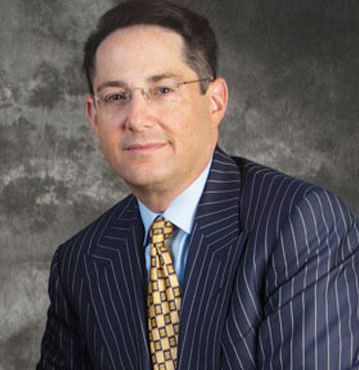
Choosing the right bariatric surgeon in NJ is the single biggest factor separating a one-time operation from a lifelong transformation — look for board certification, high procedure volume, and a program that pairs surgery with medical weight loss. Michael Nusbaum, MD FACS · FASMBS, has performed bariatric and metabolic surgery for more than 25 years across 25,000+ patients in Cedar Knolls, NJ, treating obesity as a metabolic disease rather than a number on a scale.
What Does a Bariatric Surgeon Actually Do?
A bariatric surgeon is a specialist in the physical and metabolic treatment of obesity. While the term brings the operating room to mind, modern bariatric care is far broader. We treat obesity as a chronic metabolic disease — addressing the hormonal and physiological drivers of weight gain rather than just the symptom on the scale.
You should consider a consultation when obesity-related conditions such as Type 2 diabetes, hypertension, or sleep apnea persist despite genuine effort, or when your BMI meets the medical threshold for surgical weight loss. New Jersey has one of the highest utilization rates of bariatric surgery in the nation, so the goal is not simply access — it is finding a surgeon who treats you as a person, not a case number.
Key Credentials to Verify in a Bariatric Specialist
Credentials are not paperwork — they are your best proxy for safety. Before you schedule surgery, confirm the following:
- Board certification in surgery and, ideally, the FACS designation (Fellow of the American College of Surgeons).
- FASMBS membership — Fellow of the American Society for Metabolic and Bariatric Surgery, signaling dedicated bariatric expertise.
- Accredited surgical facility (MBSAQIP-accredited), which the professional surgical community recognizes as a marker of quality and safety.
- High procedure volume — experience directly correlates with lower complication rates.
- A comprehensive team including nutritionists and follow-up support, not just an operating surgeon.
Dr. Nusbaum holds both the FACS and FASMBS designations and has spent over two decades building one of the region's most established metabolic programs.
Understanding the Procedures: Sleeve vs. Gastric Bypass
There is no universally “best” operation — only the best fit for your medical history and goals. The two most common procedures we perform are the sleeve and the bypass.
Gastric Sleeve (Sleeve Gastrectomy)
The gastric sleeve removes roughly 80% of the stomach, creating a slim, banana-shaped pouch. It reduces hunger hormones and is often chosen for its relative simplicity and strong metabolic effect.
Gastric Bypass (Roux-en-Y)
The gastric bypass both restricts stomach size and reroutes the small intestine, which can produce more powerful results for severe diabetes or significant reflux. For patients not ready for surgery, a non-permanent option like the gastric balloon may be a bridge.
Navigating the Bariatric Journey in Northern New Jersey
The path to surgery involves more than a scalpel. Most insurers require documented medical history, a psychological evaluation, and sometimes a supervised diet period before approval. A strong practice guides you through these criteria rather than leaving you to navigate them alone.
The true differentiator, though, is what happens after surgery. The Nusbaum approach integrates surgical precision with ongoing medical weight-loss support — including semaglutide and other tools — so weight regain is actively managed for years, not left to chance. That combination of surgical and medical care is what turns a procedure into a lifelong partnership.