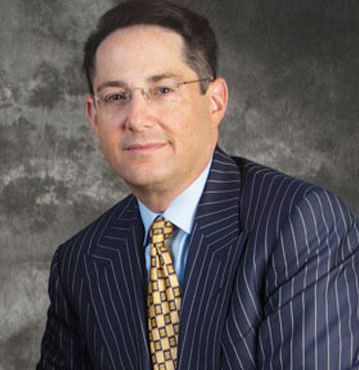
Starting Botox in your 30s is about prevention, softening the dynamic lines from repeated expressions before they etch permanently into the skin, while Botox in your 40s and 50s shifts toward correcting established wrinkles and often pairs with other treatments. In other words, the goal, dosing and strategy change with each decade, and the most natural results come from matching the plan to your face and age rather than chasing a trend. At Nusbaum Medical Centers in Cedar Knolls, Michael Nusbaum, MD FACS · FASMBS leads a conservative, physician-supervised approach for patients across New Jersey.
How Botox Actually Works
Botox is a purified form of botulinum toxin that temporarily relaxes the specific muscles it is injected into. When those muscles can no longer contract as forcefully, the overlying skin stops creasing, and the dynamic wrinkles they create soften or disappear. It is one of the most studied and widely used aesthetic treatments in the world.
The key distinction is between dynamic and static wrinkles. Dynamic wrinkles appear only when you make an expression, frowning, squinting, raising your brows. Static wrinkles are visible even when your face is at rest, because years of repeated folding have etched them in. Botox is most powerful against dynamic lines, which is exactly why when you start matters so much. Explore our full Botox treatments to see how we tailor each plan.
Botox in Your 30s: The Prevention Decade
Your 30s are when dynamic wrinkles first begin the slow journey to becoming permanent static lines. The forehead lines, frown lines between the brows (the "11s") and early crow's feet you notice are still expression-driven at this stage. This is the strategic window for prevention.
The philosophy here is "less is more." By using small, precisely placed amounts of Botox, we gently soften the repeated muscle movements that carve lines into the skin over time. You keep your full range of expression, you simply slow the etching process. Many patients in their 30s treat just one or two areas a few times a year.
- Goal: prevent dynamic lines from becoming permanent
- Typical areas: frown lines, forehead, early crow's feet
- Approach: conservative, natural, expression-preserving
Prevention is genuinely easier than correction. Softening a line before it sets is far simpler than erasing one that has been deepening for a decade.
Botox in Your 40s: Prevention Meets Correction
By your 40s, some lines are becoming faintly visible even at rest, and skin naturally begins to lose a little collagen and elasticity. Botox is still highly effective here, but the strategy broadens from pure prevention to a blend of prevention and correction.
This is also the decade when combination treatment often makes the biggest difference. Botox relaxes the muscles creating movement lines, while dermal fillers restore volume where the face has begun to deflate, and resurfacing treatments improve skin texture and tone. A common pairing is Botox for the upper face with filler for smile lines or cheeks.
For patients who want to invest in collagen and skin quality, we may add Morpheus8 radiofrequency microneedling or a HydraFacial to the plan. The aim in your 40s is a refreshed, rested look, not a dramatic change.
Botox in Your 50s and Beyond: Refresh & Restore
In your 50s, static lines are more established and volume loss is more pronounced, so Botox becomes one valuable instrument in a fuller orchestra rather than a solo act. It still meaningfully softens forehead and frown lines and opens up the eye area, but expectations are set realistically: it complements, rather than replaces, treatments that address volume and skin laxity.
A well-designed plan at this stage often layers Botox with fillers for structure, and skin-tightening or laser resurfacing such as Halo and BBL for tone and texture. The goal is a natural, age-appropriate refreshment, looking like a well-rested version of yourself, not like you are trying to erase decades overnight. According to the American Academy of Dermatology, botulinum toxin results are temporary and typically last three to four months, so ongoing, thoughtfully spaced treatment is part of any long-term plan.
The Secret to Staying Natural at Every Age
Across every decade, the single biggest factor in a good outcome is not your age, it is your injector. "Frozen," over-done results come from too much product placed without an eye for facial balance. Natural results come from restraint, precise anatomy and a plan built for your specific face.
That is the advantage of a physician-led practice. As a board-certified surgeon with a deep understanding of facial anatomy, Dr. Nusbaum favors a conservative approach that preserves your ability to express emotion, you look refreshed, not altered. Whether you are starting prevention in your 30s or refining a mature look in your 50s, we build the plan around you. Book a consultation in Cedar Knolls, and browse more guides in The Nusbaum Journal.