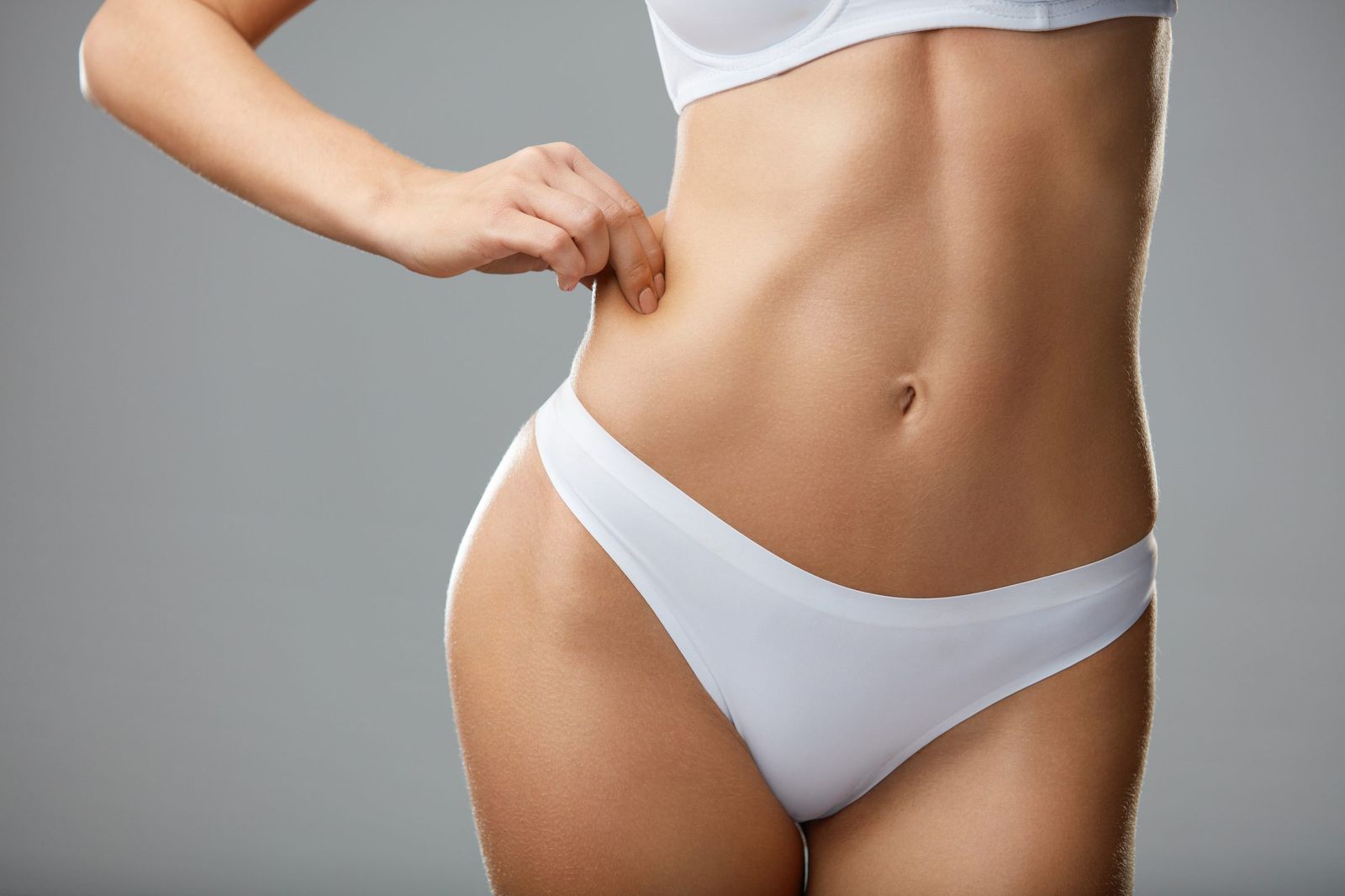
You can lose weight, clean up your diet, stay consistent in the gym, and still have pockets of fat that refuse to move. That frustration is exactly why so many patients start researching the best treatments for stubborn fat. The real question is not which treatment is trendiest. It is which option matches your anatomy, your goals, your recovery tolerance, and how dramatic a result you want.
Stubborn fat is different from general weight gain. These are localized areas that tend to hold on despite healthy habits, often because of genetics, hormones, age, pregnancy, or the way your body stores fat. For some people, it shows up under the chin. For others, it is the lower abdomen, flanks, thighs, upper arms, or bra bulge. When diet and exercise have already done what they can, targeted medical treatment becomes the next logical step.
What makes stubborn fat so difficult to treat?
Not all fat behaves the same way. Some responds quickly when your calorie intake drops or your activity increases. Other areas are far more resistant. This is why a person can be in a healthy weight range and still feel unhappy with specific contours.
That distinction matters because body contouring is not the same as weight loss. If a patient needs to lose a significant amount of weight for health reasons, physician-supervised medical weight loss may be the right first move. If the issue is contour and proportion, a targeted fat-reduction treatment may deliver a better cosmetic outcome. In many cases, the strongest results come from combining both.
Best treatments for stubborn fat depend on the goal
There is no single best treatment for every patient. The right choice depends on how much fat is present, whether skin laxity is also an issue, how quickly you want to see change, and whether you want a non-surgical or minimally invasive approach.
CoolSculpting for non-surgical fat reduction
CoolSculpting remains one of the most recognized options for people who want to reduce stubborn fat without surgery. It uses controlled cooling to target and freeze fat cells in specific areas. Over time, the body clears those damaged cells naturally.
This approach works well for patients who are close to their ideal weight but want improvement in isolated bulges. The appeal is obvious – no incisions, no anesthesia, and little to no downtime. Many patients return to normal activity the same day.
The trade-off is that results are gradual and modest compared with surgical fat removal. CoolSculpting is ideal for contour refinement, not major debulking. It also works best when skin tone is reasonably good. If loose skin is part of the problem, freezing fat alone may not deliver the tighter, more sculpted look the patient expects.
SmartLipo for more precise sculpting
When a patient wants more dramatic shaping with less downtime than traditional liposuction, SmartLipo is often a strong option. This laser-assisted liposuction treatment removes fat while also helping stimulate skin tightening in the treated area.
That combination is a major advantage. Many patients are not just bothered by excess fat. They also want smoother contours and firmer skin. SmartLipo can address both more effectively than purely non-invasive treatments.
It is still a procedure, so it involves recovery, swelling, and a higher level of commitment than something like CoolSculpting. But for the right patient, the payoff is stronger definition and more visible change. Areas such as the abdomen, flanks, thighs, arms, neck, and chin often respond very well.
Liposuction when volume is the main issue
For larger fat deposits or patients who want a more significant one-time correction, liposuction may be the better choice. It is more invasive than non-surgical contouring, but it can remove more fat in a single session and create a noticeable transformation.
This is especially relevant when a patient has done the work to lose weight but is still carrying dense, resistant fat in a few regions. Liposuction offers precision and power that non-invasive platforms simply cannot match.
That said, it is not a substitute for long-term weight management. If weight is still fluctuating or lifestyle habits are not stable, the result may not hold as well over time. The best candidates are those who are committed to maintaining their outcome.
When medical weight loss is one of the best treatments for stubborn fat
Sometimes so-called stubborn fat is not only a contour issue. It is part of a broader metabolic challenge. In those cases, injectable medical weight loss treatments such as Semaglutide or Tirzepatide may be a better starting point than body contouring alone.
These medications can help reduce appetite, improve metabolic control, and support meaningful weight loss under physician supervision. For patients with obesity, prediabetes, diabetes risk, or repeated failure with commercial diets, this can be a turning point.
What matters is sequencing. If a patient begins to lose weight successfully with a medical program, contouring treatments can then refine the remaining problem areas. This is where a physician-led practice has a real advantage. Instead of forcing one solution onto every body, it can build a plan that evolves as the body changes.
Skin matters as much as fat
One of the biggest reasons people feel disappointed after fat reduction is that they focus only on volume. But contour is also about skin quality. If skin has been stretched by pregnancy, weight fluctuation, or aging, reducing fat may reveal laxity rather than produce a tight finish.
This is where treatment planning becomes more sophisticated. Some patients need fat reduction plus skin tightening. Others may be better candidates for surgery, such as a tummy tuck, if the abdomen has excess skin and muscle separation along with stubborn fat. A non-surgical treatment can be excellent, but only when it matches the actual problem.
How to choose among the best treatments for stubborn fat
The safest way to choose is to stop thinking in terms of a popular treatment and start thinking in terms of a diagnosis. Is the issue pinchable fat, deeper fat, loose skin, muscle laxity, or overall weight? Is the goal subtle improvement or a major reshaping? Are you willing to have downtime, or do you need to return to work immediately?
A quality consultation should answer those questions clearly. It should also include an honest discussion of trade-offs. Non-surgical treatments are appealing because they are convenient, but they are not always the fastest or strongest path. Surgical options deliver more dramatic outcomes, but they require recovery and appropriate medical evaluation. Weight loss medication can be transformative, but it works best as part of a structured plan, not as a temporary shortcut.
For patients who want expert guidance rather than guesswork, a comprehensive center like Nusbaum Medical Centers can evaluate all of those variables under one roof. That matters because body transformation is rarely one-dimensional. It often involves metabolism, contour, skin quality, and maintenance.
What results should you realistically expect?
Good treatment creates improvement, not perfection. The best outcomes look natural, proportionate, and tailored to the patient. In many cases, the most successful result is not that someone looks treated. It is that clothes fit better, the silhouette looks smoother, and the body feels more aligned with the work the patient has already put in.
Results also depend on follow-through. Stable weight, regular movement, hydration, and a sustainable nutrition plan all help protect the investment. If the underlying habits or hormonal issues are ignored, even an excellent procedure can be undermined over time.
The smartest approach is to choose the treatment that fits your body now and supports the body you want to maintain later. Stubborn fat can absolutely be treated, but the strongest results come from precision, not promises. When the plan is medically guided and built around your actual needs, change stops feeling random and starts becoming measurable.