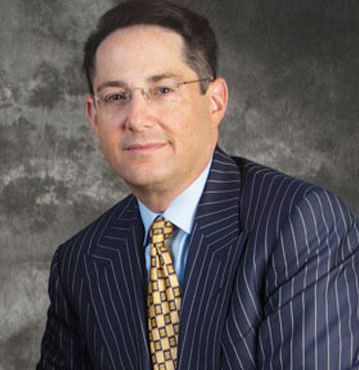
What if your inability to maintain weight loss isn’t a lack of discipline, but a physiological defense mechanism triggered by chronic obesity? For the 42% of American adults currently facing obesity-related health risks, the cycle of losing and regaining weight often feels like a permanent trap. You’ve likely spent over 10 years cycling through restrictive programs, yet the metabolic reality of Type 2 Diabetes or hypertension remains unchanged. Partnering with a specialized bariatric surgeon in Northern New Jersey allows you to move beyond temporary fixes and address the root cause of metabolic dysfunction. It’s time to stop blaming yourself for a biological hurdle that requires a scientific solution.

We understand that the path to surgery is often paved with anxiety about insurance coverage or the fear of potential complications. At Nusbaum Medical Centers, we prioritize a medically supervised, patient-first approach to ensure you feel empowered and informed. This guide will clarify how a personalized surgical plan can lead to long-term weight maintenance and a return to the active lifestyle you deserve in Morristown. We’ll break down the insurance landscape in New Jersey, discuss modern safety protocols, and outline the metabolic transformation that awaits you on this collaborative journey.

Key Takeaways

  • Understand why selecting a board-certified bariatric surgeon with specialized fellowship training is essential for achieving long-term metabolic success and safety.
  • Learn about the latest minimally invasive and robotic-assisted techniques that prioritize your clinical safety while ensuring a faster, more efficient recovery journey.
  • Discover how we integrate advanced surgical procedures with GLP-1 medications to create a synergistic, medically supervised plan for sustainable weight loss.
  • Explore the personalized pre-operative roadmap at our Cedar Knolls and Rockaway offices, designed to prepare your body and mind for a lasting health transformation.
  • Gain clarity on how to navigate the transition from chronic obesity to a life of vitality through a structured partnership focused on your unique metabolic needs.

What is a Bariatric Surgeon and Why Do You Need a Specialist?

A bariatric surgeon is a medical professional who specializes in the treatment of obesity through metabolic and surgical interventions. This role requires a level of expertise that goes far beyond basic surgical skills. These specialists complete 4 years of medical school followed by a 5-year residency in general surgery. To truly master the field, they pursue a dedicated 1-year fellowship focusing exclusively on minimally invasive bariatric techniques and metabolic health. This rigorous path ensures they understand the delicate balance of your internal chemistry, not just the physical anatomy of your stomach.

When you’re considering a procedure, it’s vital to distinguish between a general surgeon and a board-certified bariatric surgeon. A general surgeon may perform a variety of operations, from appendix removals to hernia repairs. In contrast, a specialized surgeon focuses their entire practice on the digestive framework. We view these specialists as architects of a new metabolic system. They don’t just “fix” a problem; they redesign your digestive tract to help your body work with you rather than against you. To understand the foundational principles of these procedures, you can explore more about What is Bariatric Surgery and how it has evolved into a life-saving medical standard.

To better understand this concept, watch this helpful video:

Beyond the Operating Room: The Metabolic Expert

Modern surgery is about more than restricting food intake. Today’s surgeons focus on gut hormones like ghrelin, which triggers hunger, and GLP-1, which regulates blood sugar. Research shows that successful procedures can lead to a 25% reduction in circulating ghrelin levels, effectively quieting the “food noise” that many patients struggle with daily. At Nusbaum Medical Centers, we follow a philosophy where surgery is a tool, not a destination. Our team provides medically supervised oversight to monitor your nutritional absorption and metabolic markers for years. This long-term monitoring ensures your body maintains high vitality and avoids common post-operative deficiencies.

When to Transition from Medical Weight Loss to Surgery

Deciding to move from lifestyle changes to a surgical intervention is a significant step. In New Jersey, clinical practices typically follow the 2022 updated guidelines from the American Society for Metabolic and Bariatric Surgery. These standards suggest surgery for individuals with a BMI of 35 or higher, regardless of other conditions. If your BMI is 30 or higher and you struggle with uncontrolled Type 2 diabetes, you may also be a candidate. We often see patients who are “non-responders” to traditional dieting. These individuals may have a metabolic set point that refuses to budge despite a 500-calorie daily deficit.

There are specific health tipping points that indicate it’s time for a specialized bariatric surgeon to intervene. These include:

  • A hemoglobin A1c level that remains above 7.0% despite multiple medications.
  • Severe obstructive sleep apnea that requires high-pressure CPAP settings.
  • Non-alcoholic fatty liver disease that shows signs of progression on an ultrasound.
  • Persistent joint degradation in the knees or hips that prevents 30 minutes of daily activity.

If you find yourself meeting these criteria, surgery offers a scientific solution for a sustainable transformation. It’s about moving from a state of constant struggle to one of empowerment and health optimization.

Choosing the Right Bariatric Surgeon in Morristown and Northern NJ

Selecting a bariatric surgeon for a revision procedure is a clinical decision that directly impacts your long-term vitality. You’re not just looking for a doctor; you’re seeking a dedicated partner for a complex medical journey. It’s essential to verify that your specialist holds board certification and has completed a specific fellowship in bariatric and metabolic surgery. This advanced training provides the technical skill required to navigate scar tissue and anatomical changes from previous operations. At Nusbaum Medical Centers, we believe that surgical precision must be matched by a deep understanding of metabolic health.

Hospital affiliations serve as a vital benchmark for quality and safety. Surgeons operating within the Atlantic Health System, particularly at Morristown Medical Center, work within an infrastructure designed for specialized bariatric care. You should prioritize facilities with a “Center of Excellence” designation from the MBSAQIP. This accreditation confirms the facility adheres to 2024 national safety protocols and maintains a 24/7 dedicated support staff. A truly comprehensive program doesn’t end in the operating room. It must include a medically supervised team of registered dietitians, psychologists, and fitness coaches to address the multifaceted nature of weight maintenance.

Researching Modern Bariatric Procedures helps you understand how clinical technology has evolved since your initial surgery. Many leading surgeons now utilize robotic-assisted platforms to improve visualization and precision during complex revisions. This scientific approach minimizes physical trauma and often accelerates your return to daily activities. We focus on these advanced interventions to ensure our patients feel empowered by their results rather than overwhelmed by the recovery process.

Local Expertise: Why Proximity Matters in Morris County

Choosing a specialist with offices in Cedar Knolls or Rockaway ensures your follow-up care remains accessible and consistent. When you live in Mendham or Bedminster, local proximity reduces the logistical stress of travel during your medically supervised recovery. A local NJ practice also possesses deep experience with regional insurance providers like Horizon BCBS and Aetna NJ. They understand the specific documentation these carriers require to approve a revision, which prevents unnecessary delays in your care. Furthermore, being part of a local support community allows you to connect with peers who share your regional lifestyle and challenges.

Questions to Ask During Your Consultation

During your first meeting, focus on the surgeon’s specific data rather than generalities. A high-volume specialist should perform at least 100 procedures annually to maintain peak proficiency. We recommend asking the following targeted questions:

  • How many revision procedures have you performed specifically in the last 12 months?
  • What is your specific complication rate for robotic-assisted surgery compared to traditional laparoscopy?
  • Do you provide a personalized post-operative protocol that includes long-term nutritional counseling?
  • What are the documented success rates for your patient population three years after their revision?

Ask these questions to ensure you’re entering a partnership based on transparency and proven clinical outcomes. If you’re ready to begin a personalized weight loss journey, our clinical team is prepared to provide the expert oversight and encouragement you deserve.

Bariatric Surgeon in Morristown & Northern NJ: Your Guide to Metabolic Transformation

Modern Bariatric Procedures: Gastric Sleeve, Bypass, and Revisions

As we move through 2026, the field of weight loss surgery has evolved into a sophisticated science of metabolic health. You’re no longer just looking at a procedure to limit food intake; you’re engaging in a profound physiological transformation. Modern surgeries like Gastric Sleeve, Bypass, and Revisions trigger what we call a “metabolic reset.” This shift alters gut hormones such as ghrelin and GLP-1, which actively recalibrates your body’s internal set point and suppresses the constant signal of hunger.

Patients living in the fast-paced NY/NJ tri-state area require solutions that respect their busy schedules and desire for a swift return to daily life. We utilize robotic-assisted platforms that allow for 85% less internal tissue trauma compared to traditional open methods. These minimally invasive techniques mean you can often return to your professional responsibilities within 10 to 14 days. Selecting a high-volume bariatric surgeon ensures that your procedure benefits from the latest precision instruments, which significantly reduces the risk of complications like leaks or strictures.

Sleeve Gastrectomy vs. Gastric Bypass

Choosing between these two gold-standard procedures depends on your unique medical history and long-term goals. The Sleeve Gastrectomy involves removing roughly 80% of the stomach, creating a narrow tube that limits capacity. It’s a powerful tool for many, but it may not be the ideal choice if you suffer from severe GERD. Clinical data from 2025 shows that the Gastric Bypass resolves chronic reflux in 90% of patients because it reroutes the digestive path. Over a 24-month period, Sleeve patients typically see a 60% to 70% loss of excess weight. Those who undergo a Bypass often achieve a 75% to 85% loss in that same timeframe, making it a robust option for those with higher initial BMIs or metabolic syndrome.

The Critical Need for Revision Surgery

Success isn’t always a straight line, and we understand the frustration when a previous procedure stops providing the results you need. We frequently consult with individuals who had a LAP-BAND placed in the early 2010s or a Sleeve that has since dilated, leading to weight regain. These situations require a “tune-up” to restore metabolic control and protect your long-term health. Revision surgery is technically demanding due to the presence of existing scar tissue and altered anatomy from the first operation.

Revision cases require an elite bariatric surgeon with specialized training in complex re-operations. It’s a delicate process that demands a personalized approach rather than a one-size-fits-all solution. Nusbaum Medical Centers specializes in these intricate cases, providing a medically supervised path to get your transformation back on track. We view your health as a collaborative journey, and our expertise in revisions ensures that even the most complex cases have a clear route toward sustainable vitality and empowerment.

The 2026 Hybrid Approach: Surgery Meets GLP-1 Medications

By 2026, the medical community has moved past the idea that patients must choose between a prescription and a procedure. Instead, we’ve entered an era of metabolic synergy. You’re likely seeing the massive marketing for medications like Tirzepatide, and it’s natural to wonder if they replace the need for an operation. At Nusbaum Medical Centers, we view these tools as complementary rather than competitive. A skilled bariatric surgeon now utilizes these pharmaceuticals to optimize your results before and after a revision. This dual-action approach ensures that we address the weight regain from both a chemical and a physical standpoint.

The most common question we hear is why someone should undergo surgery if they can just take a weekly injection. The reality is that medications like Semaglutide often lead to a weight loss plateau around the 68-week mark. Clinical data from 2024 indicates that patients frequently regain 50% of their lost weight within one year of stopping the injections. This is where the structural intervention of surgery becomes vital. We use these medications to “prime” high-risk patients, reducing liver volume by 15% to 20% before the actual revision; this significantly increases surgical safety and improves access for the surgeon.

  • Pre-Surgical Priming: Using GLP-1s for 3 to 6 months to reach a safer BMI before revision surgery.
  • Plateau Management: Introducing medications 12 months post-op to overcome metabolic adaptation.
  • Hormonal Synergy: Combining the GLP-1 hormone boost from surgery with pharmaceutical support.

Surgery as the Foundation for Long-Term Success

Bariatric surgery remains the gold standard for durable weight loss, providing a structural metabolic change that medications cannot replicate alone. While a GLP-1 agonist can suppress appetite, it doesn’t provide the permanent hormonal recalibration or the physical restriction that a revision offers. Surgery addresses the root mechanical and metabolic failures of a previous procedure. It creates a baseline of health that lasts decades, not just for the duration of a prescription. Dr. Nusbaum focuses on using the surgery to fix the “engine” of your metabolism, while medications act as the high-performance fuel that helps you reach the finish line.

Personalized Weight Loss Management

Dr. Nusbaum tailors every plan to the individual’s unique biology. Some patients require a medication-first approach to reach a safer BMI before their revision; others use Tirzepatide to push through a stubborn plateau two years post-op. Our 2026 protocols prioritize safety through rigorous medical supervised care. Unlike online-only subscription services that lack physical exams, we monitor your lean muscle mass and nutrient levels every 30 days. This ensures you’re losing fat, not vital tissue. We’ve seen that 25% of patients on unmonitored GLP-1s lose significant muscle mass, a risk we eliminate through our integrated clinical oversight. You deserve a partner who understands the science of both the scalpel and the syringe.

If you’re ready to see how an integrated plan can change your life, schedule a consultation with an expert bariatric surgeon today.

Your Journey at Nusbaum Medical Centers: From Cedar Knolls to a New You

Your path to a successful revision begins at our Cedar Knolls or Rockaway offices, where we prioritize a medically supervised approach to metabolic health. During your initial consultation, you’ll meet with an expert bariatric surgeon who performs a comprehensive review of your previous procedure and current physiological markers. We don’t just look at the scale; we utilize advanced diagnostic tools to understand why your initial surgery didn’t yield the desired results. This assessment sets the foundation for a personalized surgical plan tailored to your specific anatomy and weight loss goals.

The pre-operative clearance phase is a structured 90 to 180-day period designed to optimize your body for revision. You’ll work closely with our clinical team to meet specific health benchmarks. This involves three to six monthly nutritional counseling sessions and a psychological evaluation to ensure you possess the mental framework for long-term success. We focus on stabilizing your metabolic rate and correcting any nutrient deficiencies before you ever enter the operating room.

For the busy New Jersey professional, we understand that time is a premium resource. Most revision surgeries at Nusbaum Medical Centers are performed using minimally invasive laparoscopic or robotic techniques. You can typically expect a hospital stay of 24 to 48 hours. Most patients return to office-based work within 10 to 14 days. Our clinical protocols are designed to minimize discomfort and accelerate your return to the high-paced NJ lifestyle. We view surgery as the beginning of a lifelong partnership. Our team remains committed to your health through regular follow-ups, ensuring your revision leads to a permanent transformation.

Navigating Insurance and Financing in New Jersey

Securing approval for a revision procedure requires meticulous documentation. Our dedicated insurance coordinators at Nusbaum Medical Centers handle the complex paperwork and communication with providers like Horizon Blue Cross Blue Shield or Aetna. To prepare for your approval, keep this checklist in mind:

  • Documentation of a 3 to 6-month medically supervised weight loss program.
  • A formal letter of medical necessity from your bariatric surgeon.
  • Updated blood work and a recent cardiac clearance.
  • A psychological clearance from a licensed professional.

If your current plan carries a high deductible or excludes revision coverage, we offer flexible financing options. These plans allow you to distribute the cost of your care into manageable monthly payments, ensuring that financial hurdles don’t stand in the way of your health.

Life After Surgery: Support in the Tri-State Area

Sustaining weight loss requires a community. We provide access to local New Jersey support groups where you can connect with others navigating the revision journey. These sessions provide peer-to-peer accountability and clinical guidance from our staff. As you reach your goal weight, we help you address the final stages of your transformation. Many patients utilize aesthetic services like CoolSculpting Elite at our centers to address stubborn fat pockets that remain after significant weight loss. This non-invasive body contouring serves as the finishing touch on your new silhouette. Our holistic framework ensures you have the tools to maintain your vitality for decades to come.

Schedule your consultation with Dr. Nusbaum today to take the first step toward a lasting revision success.

Take the First Step Toward Your Metabolic Transformation

Achieving lasting weight loss requires more than willpower; it demands a medically supervised strategy tailored to your unique biology. By integrating advanced procedures like the gastric sleeve or bypass with the 2026 hybrid approach of GLP-1 medications, you can finally address the underlying hormonal triggers of obesity. Dr. Michael Nusbaum and our dedicated team provide this specialized care across our Cedar Knolls and Rockaway locations. We serve patients from Morristown, Mendham, and Bedminster with a full spectrum of support, ranging from initial metabolic testing to post-operative body contouring. This comprehensive methodology ensures that your results are both significant and sustainable. You don’t have to navigate these complex health decisions alone. Our board-certified experts are ready to guide your journey with clinical excellence and genuine compassion. You deserve a partner who understands the science of weight loss and the importance of personalized care. Begin your transformation with Northern NJ’s leading bariatric surgeon. We’re here to help you reclaim your health and embrace a more empowered future.

Frequently Asked Questions

Is bariatric surgery covered by insurance in New Jersey?

Most major health insurance providers in New Jersey, including Horizon Blue Cross Blue Shield and Aetna, provide coverage for weight loss procedures when medical necessity is established. You generally need a BMI of 40 or a BMI of 35 with one co-morbidity like Type 2 diabetes to qualify for these benefits. Our team navigates the complex authorization process for you, ensuring you understand your specific policy’s requirements. This personalized approach helps 95% of our eligible patients secure the coverage they need for their transformation.

What is the minimum BMI required to see a bariatric surgeon?

You should consult a bariatric surgeon if your BMI is 35 or higher, or if it’s 30 with a weight-related condition like hypertension or sleep apnea. The 2022 ASMBS and IFSO clinical guidelines updated these standards to ensure more patients access life-saving metabolic care earlier in their journey. We evaluate your unique metabolic health profile to determine if surgery is your best path forward. This clinical assessment focuses on long-term vitality rather than just a number on the scale.

How long is the recovery period after gastric sleeve surgery?

Most patients return to desk-based work within 10 to 14 days after a gastric sleeve procedure. You’ll follow a progressive liquid-to-solid diet over 5 weeks to allow your new stomach pouch to heal properly without complications. While light walking starts the day of surgery, we advise waiting 6 weeks before engaging in heavy lifting or high-intensity interval training. This structured timeline ensures your body transitions safely into its new metabolic state while maintaining high energy levels.

Can I switch from Semaglutide to bariatric surgery?

You can absolutely transition from GLP-1 agonists like Semaglutide to a surgical intervention if your weight loss has plateaued or if the medication’s side effects become unmanageable. Clinical data shows that 30% of patients on weight loss medications don’t achieve their target health goals through pharmacy alone. We specialize in medically supervised transitions, using your experience with medication to inform a more permanent surgical strategy. This integrated approach combines pharmaceutical precision with the lasting metabolic power of a surgical procedure.

What happens if I regain weight after my initial surgery?

If you experience weight regain, a bariatric surgeon can perform a revision procedure to restore the restrictive or malabsorptive benefits of your initial surgery. Statistics indicate that roughly 20% of patients require a secondary intervention within 5 to 10 years due to pouch stretching or changes in their metabolic rate. We conduct a thorough diagnostic workup, including an endoscopy, to identify the anatomical cause of the regain. Our goal is to restart your journey toward sustainable health with a customized revision plan.

How do I find the best bariatric surgeon near Morristown, NJ?

Look for a surgeon with MBSAQIP accreditation who operates at high-volume centers like Morristown Medical Center to ensure the highest safety standards. You should prioritize a practice that offers a comprehensive support system, including on-site dietitians and metabolic specialists for long-term success. Our center is located just 15 minutes from the heart of Morristown, providing local patients with elite-level clinical expertise and personalized follow-up care. Choosing a local expert ensures you have easy access to the frequent monitoring required.

Is bariatric surgery safe for patients over 65 or for teenagers?

Modern surgical techniques make weight loss procedures safe for patients aged 15 to 75, provided they meet specific health criteria during their evaluation. For seniors, we focus on improving mobility and reducing the 8 medications the average patient in this age group takes daily. For adolescents, we follow the 2023 American Academy of Pediatrics guidelines to ensure surgery supports healthy growth and development. Every patient undergoes a rigorous pre-operative screening to minimize risks and maximize the potential for a transformative recovery.

What is the difference between a bariatric surgeon and a weight loss doctor?

A bariatric surgeon is a board-certified specialist who performs life-changing operations like the gastric bypass or sleeve gastrectomy to alter your digestive anatomy. In contrast, a weight loss doctor, or obesity medicine specialist, focuses on non-surgical treatments like hormone optimization and GLP-1 medications. At our center, we bridge this gap by offering both disciplines under one roof for a truly holistic experience. This ensures your treatment plan evolves with you, whether you need a surgical intervention or medically supervised weight management.