What is a diet doctor? In plain terms, it is a licensed physician who specializes in evaluating and treating weight as a medical condition rather than simply recommending a diet plan. At Nusbaum Medical Centers in Cedar Knolls, NJ, that means labs, a full medical history, and treatment options ranging from nutrition coaching to medication to surgery — tailored to your biology, not a generic program.
- On this page:
- Definition
- What a Diet Doctor Actually Treats
- When Should You See a Diet Doctor?
- What Happens at a First Visit
- Choosing the Right Diet Doctor in New Jersey
- Common Misconceptions About Diet Doctors
- FAQs
What Is a Diet Doctor, Exactly?
A diet doctor — more formally, a physician specializing in medical weight management or obesity medicine — evaluates weight the same way a cardiologist evaluates heart disease: through a medical lens, with labs, a physical exam and a full history rather than a generic meal plan. The goal is to find out why your body is holding onto excess weight and to treat the actual drivers, which might include insulin resistance, thyroid function, hormonal changes, sleep quality or medication side effects.
This is different from a nutritionist or a commercial diet program, both of which can be valuable but cannot prescribe medication, order comprehensive labs, or evaluate whether a medical condition is contributing to your weight.
What a Diet Doctor Actually Treats
A thorough evaluation looks well beyond the scale. Common areas we assess at our Cedar Knolls practice include:
- Insulin resistance and prediabetes
- Thyroid and other hormonal imbalances
- Sleep apnea and its effect on metabolism
- Medications that can cause weight gain
- Emotional eating patterns and stress-related habits
From there, treatment is built around your specific findings — sometimes nutrition and behavioral coaching alone, sometimes GLP-1 medication therapy, and in some cases a referral toward bariatric surgery when it is the most appropriate option.
When Should You See a Diet Doctor?
Not everyone trying to lose weight needs a physician. But certain signs suggest it is time for medical evaluation rather than another round of dieting alone:
Signs It's Time
- You have tried multiple diets with limited or short-lived success
- You have a weight-related condition like type 2 diabetes, high blood pressure or sleep apnea
- You have unexplained weight gain despite consistent habits
- You are considering a GLP-1 medication and want proper screening first
- You are exploring whether bariatric surgery could be right for you
If any of these sound familiar, a medical evaluation can uncover factors that diet and willpower alone cannot fix.
What Happens at a First Visit
A first visit with a diet doctor typically includes a detailed history, a physical exam, and baseline labs covering blood sugar, thyroid function, cholesterol and, when relevant, hormone levels. From there, we discuss your goals honestly — not just a target number, but what health outcomes matter most to you, whether that is more energy, better lab results, or reducing the need for other medications.
Many patients are surprised at how much this differs from a typical primary-care weight conversation. Obesity medicine is a distinct area of expertise, and our medical weight-loss programs in Cedar Knolls are built specifically around it.
Choosing the Right Diet Doctor in New Jersey
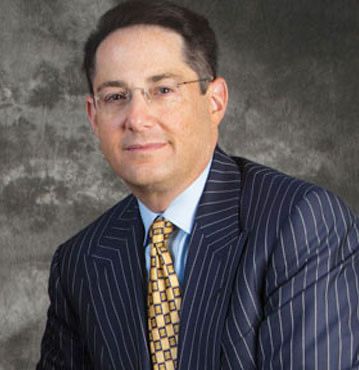
Look for board certification, experience specifically in obesity or bariatric medicine, and a practice that offers a range of options rather than pushing one product. Michael Nusbaum, MD FACS, FASMBS, has treated more than 25,000 patients over 25+ years, offering everything from nutrition coaching and GLP-1 therapy to surgical options, so the plan fits the patient rather than the other way around.
Our Cedar Knolls office serves Morristown, Livingston and patients from across New Jersey who want a physician-led, medically responsible approach to weight.
Common Misconceptions About Diet Doctors
A lot of patients hesitate to ask what is a diet doctor because of assumptions that turn out to be inaccurate. One common misconception is that this type of physician is only appropriate for people with severe, life-threatening obesity — in reality, obesity medicine specialists see patients across a wide range of weight and health profiles, including those who are moderately overweight but struggling with insulin resistance or hormonal factors that make weight loss unusually difficult.
Another misconception is that a diet doctor will simply hand out a prescription without addressing habits, nutrition or the underlying cause of weight gain. A responsible practice does the opposite — medication, when appropriate, is one tool among several, layered onto a foundation of nutrition guidance, activity recommendations and lab-based monitoring. Some patients also assume seeing a diet doctor means they have failed at dieting on their own; in truth, many of the physiological drivers of weight — insulin resistance, thyroid function, hormonal shifts — are simply not addressable through willpower alone, no matter how disciplined someone is.
Cost is another area where assumptions can get in the way of seeking care. Some patients delay seeing a diet doctor because they assume it will be prohibitively expensive or entirely out of pocket, when in reality many services — including labs, certain medications and follow-up visits — are at least partially covered by insurance depending on your plan and diagnosis. Rather than guessing, it is worth having a straightforward conversation with the practice about what your specific coverage includes before ruling out a medical evaluation on cost alone.
Ongoing care is another defining feature of working with a diet doctor rather than pursuing a single diet program. After your first visit, follow-up appointments are typically scheduled every few weeks to months depending on your treatment plan, allowing labs, medication dosing and nutrition guidance to be adjusted as your body responds. This iterative, physician-guided process is very different from starting a program on your own and hoping it works, and it is often what makes the difference between temporary results and a lasting change in health.