
What Are the Real Tirzepatide Side Effects Long-Term?
Tirzepatide side effects long-term are, for most patients, dominated by gastrointestinal symptoms that ease with gradual dosing, alongside rarer but clinically meaningful risks such as gallbladder disease, pancreatitis, and a thyroid C-cell tumor warning carried over from animal studies. No long-term human evidence to date confirms that tirzepatide causes thyroid cancer, blindness, or other cancers, but ongoing monitoring remains essential for anyone using it for more than a few months.
- Schedule baseline labs before starting or continuing tirzepatide
- Report new eye, gallbladder, or abdominal symptoms to your physician right away
- Keep every follow-up visit instead of self-managing your dose
How Tirzepatide Works and Why Long-Term Data Matters
Tirzepatide is a dual GIP and GLP-1 receptor agonist, originally developed for type 2 diabetes and now widely used for chronic weight management. Because it is a newer drug class, patients reasonably want to know how it performs over years of use, not just during a clinical trial's initial months. Our physician-supervised approach treats tirzepatide weight loss as an ongoing medical relationship rather than a short course of treatment.
Extension studies and years of real-world prescribing since FDA approval have added meaningfully to the safety picture, and this is genuinely good news for patients weighing a long-term commitment. Regulatory bodies track adverse event reports through established pharmacovigilance systems, which is why we encourage patients to stay engaged with routine visits rather than self-managing dosing. You can review official safety communications and prescribing updates through the U.S. Food and Drug Administration's drug safety and availability page, which we also reference when counseling patients in our Cedar Knolls office.
Common Side Effects and What to Expect
The most frequently reported issues remain gastrointestinal: nausea, diarrhea, constipation, and occasional vomiting, particularly during dose increases. These symptoms are typically dose-dependent and often ease as the body adjusts, which is why we titrate doses gradually rather than escalating quickly. Staying hydrated, eating smaller meals, and limiting high-fat foods during the adjustment period can meaningfully reduce discomfort.
Less common but clinically relevant effects include gallbladder issues, mild injection-site reactions, and changes in heart rate. Patients with a prior history of gallstones should mention this at intake, since rapid weight loss itself can raise gallbladder risk independent of the medication. When gallbladder disease does develop, our surgical team led by Dr. Nusbaum can evaluate and treat it directly.
Tirzepatide Side Effects Long-Term: Rare but Serious Risks to Know
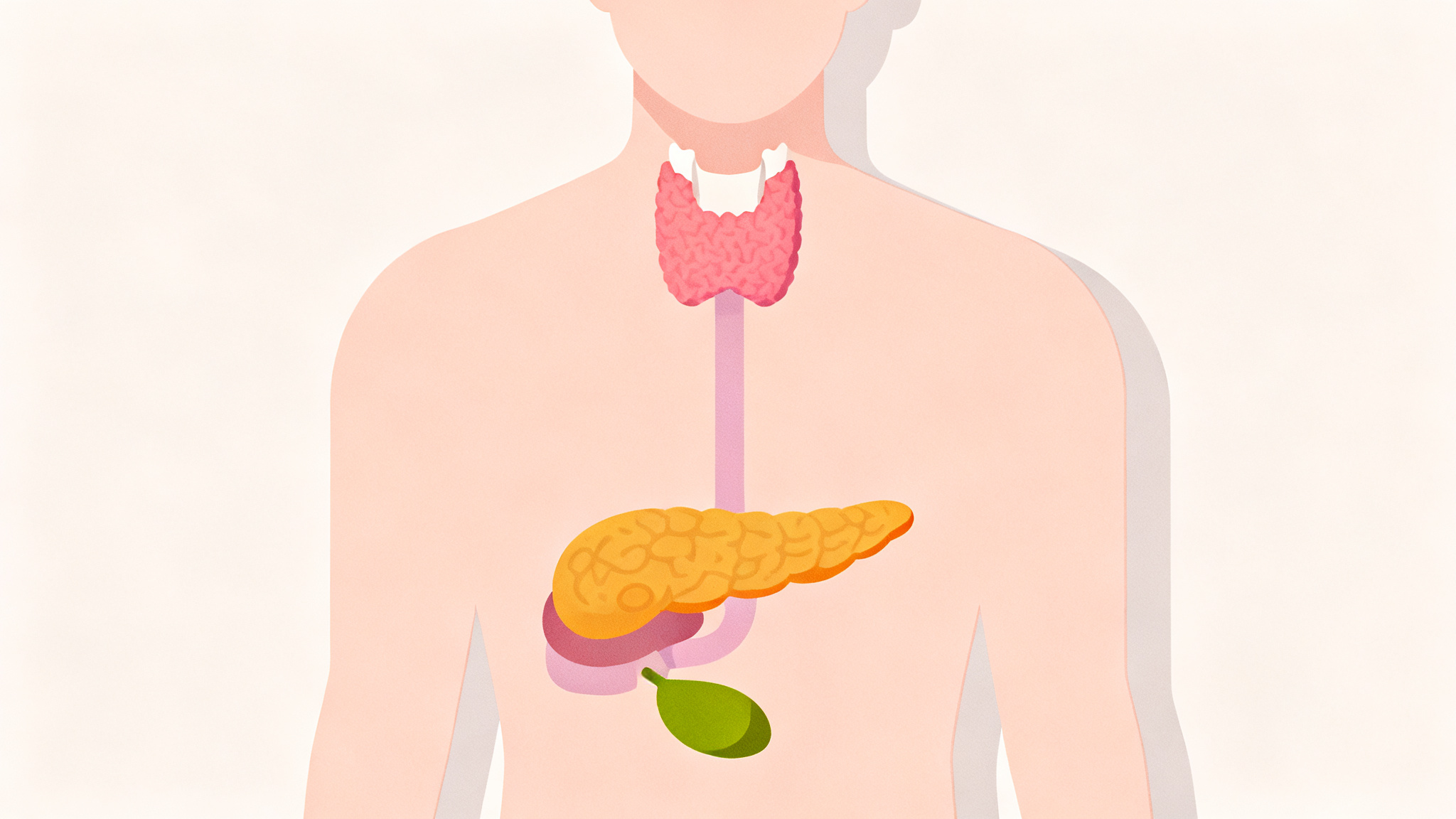
Beyond the common digestive complaints, a smaller set of tirzepatide side effects long-term deserve direct attention because they are rarer but more serious. These include acute pancreatitis, gallbladder or bile duct disease, kidney strain from dehydration during severe vomiting or diarrhea, and a boxed warning about thyroid C-cell tumors seen in rodent studies. We also field frequent questions about vision changes, cancer risk, and overall long-term danger, and we address each one honestly rather than minimizing or overstating it.
Rapid improvement in blood sugar control, particularly in patients with pre-existing diabetic retinopathy, has been associated with temporary worsening of retinopathy in related GLP-1 therapies, which is why an eye exam is a reasonable baseline step for diabetic patients. This is distinct from tirzepatide causing blindness outright, a claim current evidence does not support. We review a patient's full medical history before prescribing specifically to screen for these less common but meaningful risks.
Is Mounjaro Safe for Long-Term Use, and What Are the Potential Risks?
Mounjaro, the brand name for tirzepatide marketed for diabetes, shares the same active compound and safety profile as the formulation used for weight management. Current evidence suggests Mounjaro is appropriate for long-term use in properly screened patients, with the main risks being persistent gastrointestinal symptoms, rare pancreatitis, and a boxed warning related to thyroid C-cell tumors observed in rodent studies. That thyroid finding has not been confirmed in humans, but it remains a precaution for anyone with a personal or family history of certain thyroid cancers.
Other potential risks include low blood sugar when tirzepatide is combined with insulin or sulfonylureas, dehydration from gastrointestinal symptoms, and rare hypersensitivity reactions. We discuss these risks individually with every patient, because personal and family medical history changes how each one is weighed. This is also why we never recommend starting or continuing any GLP-1 or GIP medication without active physician supervision.
Are There Long-Term Safety Concerns With Mounjaro's Non-Insulin Treatments?
Patients researching non-insulin options often ask whether Mounjaro carries different long-term concerns compared to insulin-based therapies. Because tirzepatide enhances the body's own insulin response rather than replacing insulin directly, it carries a lower standalone risk of hypoglycemia, though that risk rises when combined with other glucose-lowering medications. A notable concern with non-insulin GIP/GLP-1 therapies is gradual loss of lean muscle mass alongside fat loss, which is why we pair medication with nutrition coaching and activity guidance instead of relying on medication alone.
Ongoing monitoring also looks at nutritional adequacy, since reduced appetite can sometimes lead to inadequate protein or micronutrient intake over many months. Our physician-led team of clinicians, nurses, and nutrition coaches is built to catch these gaps early. For patients comparing options, our semaglutide weight loss program offers an alternative GLP-1 pathway with its own distinct risk profile.
Monitoring and Follow-Up for Long-Term Use
Responsible long-term treatment depends on structured follow-up, not just an initial prescription. We recommend baseline labs before starting, periodic reassessment of kidney function and lipid panels, and regular weight and symptom check-ins, especially during the first year. Patients with diabetes also need ongoing glucose monitoring coordinated with their endocrinology or primary care provider.
Follow-up visits are when we catch early signs of gallbladder disease, pancreatitis symptoms, or unusual mood or appetite changes before they become serious. Our same-week appointment availability matters here, since concerning symptoms should never wait weeks for evaluation. Families considering treatment for a teen should review our adolescent medical weight loss program, which follows a more conservative, age-appropriate monitoring protocol.

Who Should Avoid Long-Term Use
Certain patients should not use tirzepatide long-term without extensive specialist input, including those with a personal or family history of medullary thyroid carcinoma or Multiple Endocrine Neoplasia syndrome type 2, because of the thyroid C-cell tumor warning. Patients with a history of pancreatitis, severe gastrointestinal disease, or pregnancy should also avoid or pause use. Our physicians review these exclusion criteria carefully during the initial consultation, consistent with the honest, no-pressure approach we take with every patient.
For patients who are not candidates for long-term medication therapy, surgical options may be worth discussing instead. Our surgical weight loss and body contouring services, performed by Michael Nusbaum, MD FACS, FASMBS, offer an alternative path for appropriate candidates. You can also browse our ongoing clinical guides on The Nusbaum Journal and meet the broader care team on our team page for more detail on how medical and surgical weight management compare.
| Side Effect | How Common | Recommended Response |
|---|---|---|
| Nausea, diarrhea, constipation | Common, especially during dose increases | Hydrate, eat smaller meals, allow gradual titration |
| Gallbladder issues | Uncommon | Report abdominal pain; surgical evaluation if needed |
| Pancreatitis | Rare | Seek same-week care for severe abdominal pain |
| Thyroid C-cell tumor warning | Not confirmed in humans | Avoid use with personal or family history of MTC/MEN 2 |
| Vision changes | Rare, linked to rapid glucose improvement | Baseline eye exam for diabetic patients |
| Lean muscle loss | Possible with extended use | Pair treatment with nutrition and activity coaching |